

Nice has a way of surprising families. The seafront is wide and walkable, the old town is full of color and noise, and the hills above the city offer a completely different pace. Whether you’re planning a few days or a longer stay on the French Riviera, here’s everything you need to know about things to do in Nice with kids.
(This post may include affiliate links for which we may earn a commission at no extra cost to you should you make a purchase. See our full disclosure and Privacy Policy for more information)
Nice’s Nicest Places to Visit
Many of the most recognizable landmarks in Nice sit within a compact stretch of the seafront and the streets just behind it. This makes it easy to cover a lot of ground without planning transport between stops. For families arriving with no fixed plan, starting at the waterfront and working inward is a natural way to get your bearings.
Strolling the Promenade des Anglais
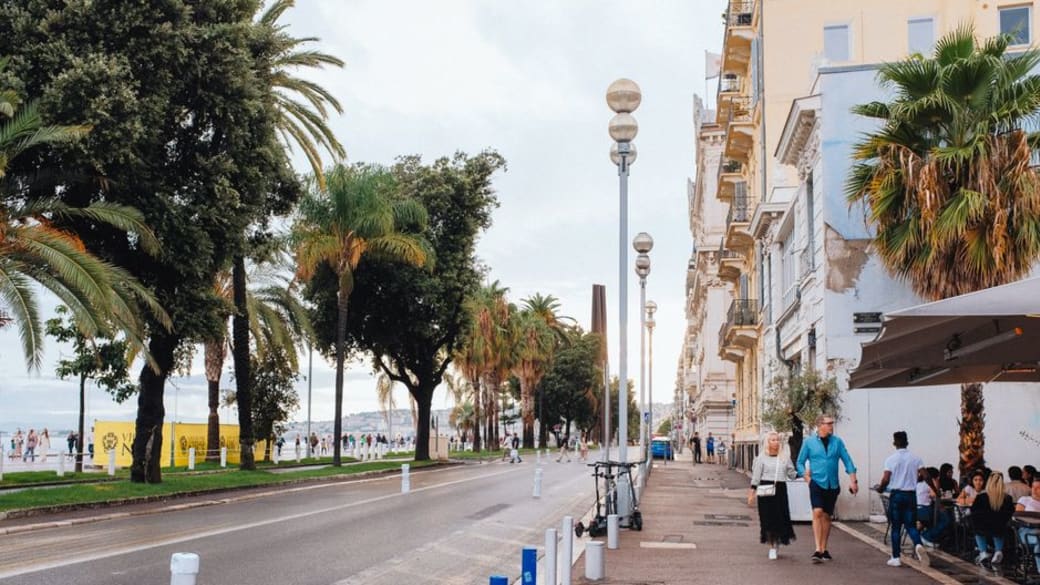
The Promenade des Anglais runs for roughly 7km along the Bay of Angels. The wide pedestrian path alongside the road means your family can walk, cycle, or scoot the length of it without worrying about traffic. Kids are drawn to the pebble beach on one side and the steady stream of people on the other. One landmark worth pointing out to children is the Hotel Negresco, a grand, domed pink-and-white building that sits right on the promenade.
Jardin Albert 1er
Jardin Albert 1er connects the Promenade des Anglais to Place Masséna, and its playground area and old-fashioned carousel make it a natural stop between the two. Mature trees shade it, and fountains give parents somewhere to sit while kids run around. Given how close it sits to both spots, it’s an easy add rather than a detour.
Place Massena and Promenade du Paillon
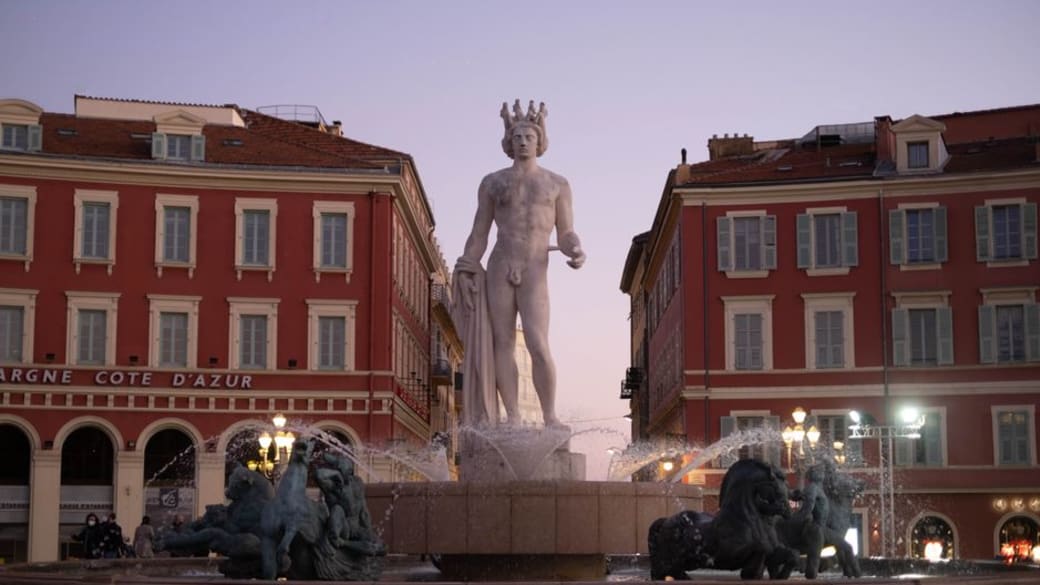
Place Masséna is the main square at the heart of Nice, connecting the seafront to the Promenade du Paillon, a long green park that runs inland through the city. The square is striking, with red-ochre buildings on three sides and a large open space in the middle that often hosts installations or activities depending on the season.
The Promenade du Paillon is where families linger, especially in the warmer months, with the fountains that kids can run through. With wide lawns and a playground, it’s a natural stop between the beach and the old town, and it gives younger children somewhere to burn energy without needing to go anywhere specific.
Aire de Jeux La Cabane et Le Bateau
Aire de Jeux La Cabane et Le Bateau is a maritime-themed structure built almost entirely from wood, shaped like a boat and cabin. It sits roughly midway along the Paillon greenway, an easy stop between the beach and the old town.
Castle Hill (Colline du Château)
Castle Hill sits at the eastern end of the Promenade des Anglais, rising about 92 meters above sea level. There’s no actual castle left, but the park at the top has wide views over the bay, a waterfall, and enough open space for kids to run around after a morning of walking. The views stretch across the old port on one side and the full curve of the Bay of Angels on the other. You can reach the top by a lift built into the cliff face, by stairs, or by a path that winds up through the trees. Or by riding the Petit Train de Nice…
Castle Hill [Colline du Château]
Riding the Petit Train de Nice
The Petit Train de Nice is a road train that runs through the old town and up to Castle Hill. It’s a practical option for families with younger children who’ve already done a lot of walking, and it gives a decent overview of the main streets and landmarks in a short amount of time.
It’s not a deep cultural experience, but it does what it’s supposed to do. Kids who are flagging by mid-afternoon might enjoy it more than they’d enjoy being carried, and parents can enjoy the sit-down. The train departs from the seafront near the old town.
The Playground Near the Top of Castle Hill
Castle Hill’s park has its own dedicated playground near the summit, with a wooden castle structure, rope pyramids for older kids, and a separate area for children under five. It sits alongside the same views over Nice that make the climb worthwhile, so it’s a good way to let kids play once they’ve had enough of walking.
Explore Nice’s Old Town (Vieux Nice) and Cimiez Neighborhood
Vieux Nice and the Cimiez neighborhood sit at opposite ends of the city’s character. The old town is dense, loud, and full of color, while Cimiez is quieter, greener, and better suited to a slower afternoon. Together, they cover a lot of what makes Nice worth spending more than a day or two in.
Rue Pairoliere and the Streets of Vieux Nice
Rue Pairoliere is one of the main pedestrian streets running through Vieux Nice, and it’s a good entry point into the old town’s tangle of narrow lanes. The streets here are car-free, making them easy to navigate with children, and the mix of tall buildings, painted facades, and market stalls gives the area a sensory intensity that kids often respond to more than adults expect.
The old town is small enough to explore without a map. Getting a little lost in the back streets is part of the experience, and there’s enough visual interest at every turn to keep younger children engaged.
Rue Pairolière
Cours Saleya
Cours Saleya Market, Flowers, Produce, and Atmosphere
Cours Saleya is the main market square in Vieux Nice, and on market days it fills with flower stalls, produce vendors, and the general noise of a working French market. It’s the kind of place where the atmosphere does much of the work for you. Kids who wouldn’t normally show interest in a market often find something here, whether it’s the size of the flower displays, the smell of fresh herbs, or the general spectacle of it all.
Nice’s Baroque churches and Architecture
Vieux Nice has a concentration of Baroque churches that’s unusual even by French standards. The most prominent is Cathédrale Sainte-Réparate, which sits on Place Rossetti in the heart of the old town. Its facade and interior are worth a few minutes even with restless children, and the square outside is one of the more pleasant spots in the old town to stop and sit.
The Baroque style shows up across the neighborhood in doorways, facades, and smaller chapels tucked into side streets. You don’t need to seek them out deliberately; they appear as you walk.
The Russian Orthodox Cathedral of Saint Nicholas
Russian Orthodox Cathedral of Saint Nicholas
The Russian Orthodox Cathedral of Saint Nicholas sits about 1km northwest of the old town, and it’s a striking contrast to Vieux Nice’s Baroque architecture. Built in the early twentieth century for the Russian community that wintered on the Riviera, it has the onion domes and vivid exterior decoration that make it immediately recognizable to children who’ve seen pictures of Russian architecture.
It’s worth the short detour, particularly for families who want to show kids that a single city can hold very different architectural traditions within walking distance of each other.
Nice Food Culture, Socca and Salade Niçoise
Nice has its own distinct food culture, and two dishes in particular are worth knowing before you arrive. Socca is a thin, crispy pancake made from chickpea flour, cooked in a wood-fired oven and eaten hot from paper. You’ll find it at market stalls and small counters throughout the old town, and it’s the kind of food that travels well with children because it’s simple, filling, and easy to eat standing up.
Salade nicoise in its traditional form is a composed salad of tuna, hard-boiled eggs, olives, anchovies, and raw vegetables. It appears on menus across the city, and it’s a useful reference point for talking to kids about how regional food traditions develop. Neither dish requires a sit-down restaurant to experience, though both appear in them too.
Cimiez, Roman Ruins, Gardens, and a Quieter Side of Nice
Cimiez sits on a hill about 2km north of the old town, with a noticeably different atmosphere. The neighborhood is residential and leafy, and it’s home to Roman ruins, including an amphitheater and the remains of Roman baths, that are accessible and interesting for children with some context about what they’re looking at.
The gardens near the ruins are well-kept and calm, with views back over the city. It’s a good half-day option for families who want something more structured than wandering, without the seafront crowds.
Cultural Attractions and Museums
Nice has a stronger museum offering than many families expect from a beach destination. Several of the city’s main venues have formats that connect well with children, and the range is broad enough that you can match the choice to your kids’ interests rather than defaulting to whatever’s closest.
Musee Matisse
The Musée Matisse sits in a seventeenth-century Genoese villa in the Cimiez neighborhood, surrounded by an olive grove. The collection covers Matisse’s full career, from early paintings through to the cut-out works he made in his final years. The cut-outs in particular connect with children because of their color and because they look like something a child might make with scissors and paper.
The villa and its gardens are a pleasant place to spend time even for children who aren’t especially interested in art.
Marc Chagall National Museum
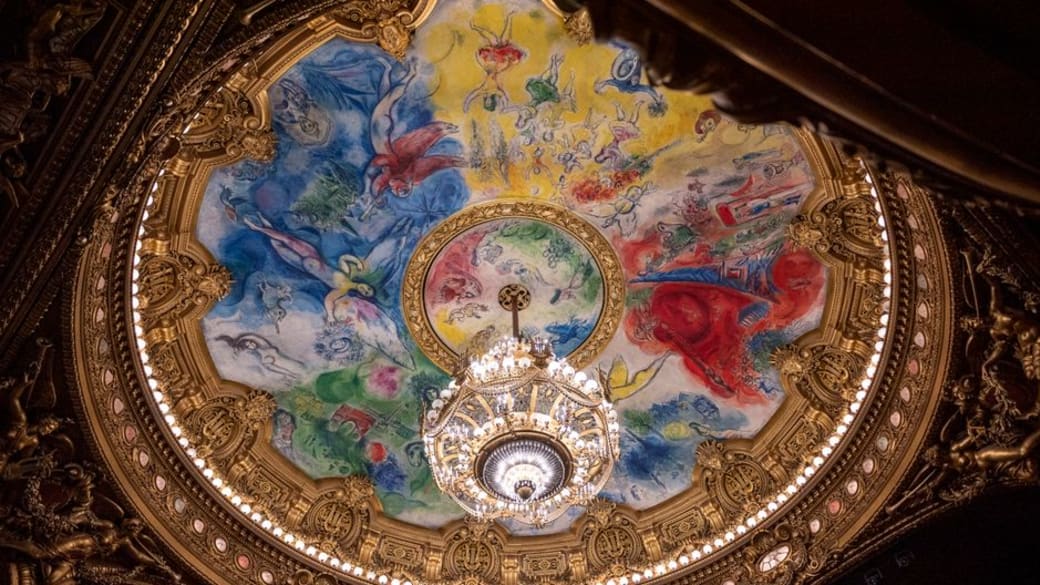
The Marc Chagall National Museum was designed specifically to house Chagall’s Biblical Message series, a group of large-scale paintings that fill the main hall with color and narrative. Their size can make the works feel more accessible to children than smaller paintings often do, and the stories are recognizable enough to spark conversation. The museum also has mosaic and stained-glass works that add variety to the visit.
MAMAC, Museum of Modern and Contemporary Art
MAMAC, the Museum of Modern and Contemporary Art, sits near Place Massena and covers European and American art from the 1960s onward. The rooftop terrace offers city views worth the visit on their own, and the collection includes work by artists associated with the New Realism movement, several of whom had direct connections to Nice.
For families with older children who are interested in contemporary art, the collection offers real depth. For younger children, the building itself and the rooftop are the main draws.
Musee Massena
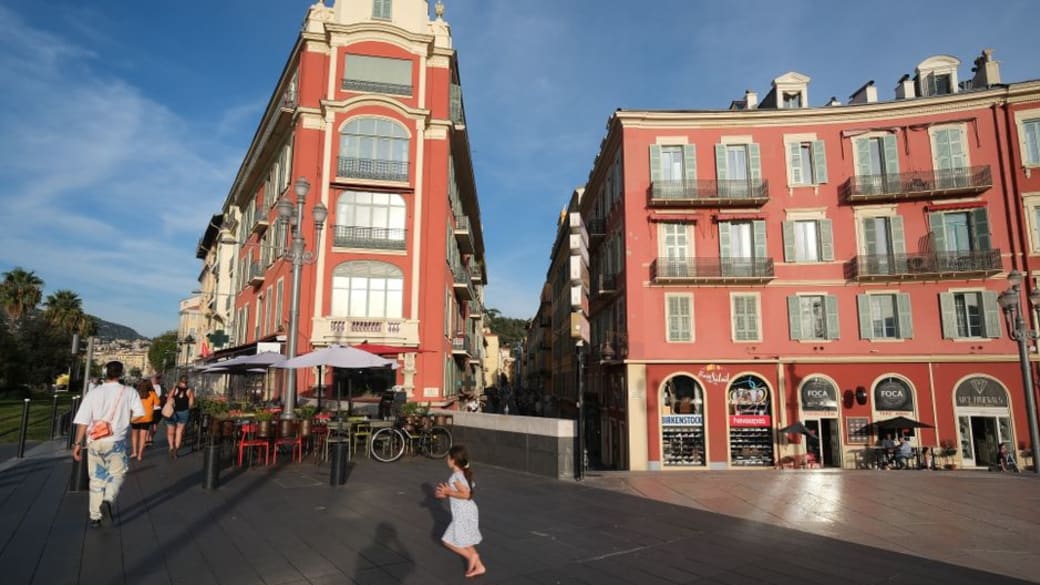
The Musée Massena is housed in a nineteenth-century villa on the Promenade des Anglais, and its collection covers the history of Nice and the Riviera from the Napoleonic period through to the early twentieth century. The building is as interesting as its contents, and the mix of period rooms, decorative objects, and historical context gives families a more tangible entry point into the city’s past than a standard history exhibit.
The garden between the villa and the promenade is a pleasant place to stop before or after the visit.
Terra Amata Prehistory Museum
The Terra Amata Prehistory Museum is built on the site of an actual prehistoric campsite discovered during construction work in the 1960s. The site dates back roughly 400,000 years, making it one of the oldest known human occupation sites in Europe. That context alone connects with children old enough to grasp the scale.
The museum’s format is discovery-led rather than display-led. There’s a treasure-hunt activity designed for children, and the exhibits are built around the excavation site itself rather than objects removed from it. It’s the kind of museum that gives kids something to do rather than just something to look at, and that makes a real difference to how much they take in.
Terra Amata Prehistory Museum
Musée National du Sport
Musée National du Sport
The Musée National du Sport is located inside the Allianz Riviera Stadium, about 5km northwest of the city center. The collection covers the history of sport in France, but what makes it worth the trip for families is the hands-on element. Interactive exhibits include a giant table football set and a Formula 1 simulator, so children who wouldn’t normally choose a museum visit tend to be engaged.
It’s a good option for a day when the beach isn’t appealing, or for families traveling with sports-mad kids who need something more active than a gallery.
Indoor Activities
Nice’s summer sun is intense, and the pebble beaches offer little shade once the afternoon heat sets in. When your family wants a break, or an unplanned shower rolls in off the sea, these indoor options keep the day moving without losing the fun.
SENSAS Nice
SENSAS Nice is a blindfolded sensory adventure built around touch, sound, and smell rather than sight, run out of a dedicated space near the port. A guide leads your family through a themed challenge while blindfolded, working as a team to find objects and piece together the story along the way. It runs year-round regardless of weather, and suits a family with older kids looking for something different from another museum stop.
SENSAS Nice
Palais des Sports Jean Bouin
Palais des Sports Jean Bouin
The Palais des Sports Jean Bouin, in the Riquier area of Nice, combines a full-sized public swimming pool with an ice rink under one roof, giving your family two different indoor options at a single address. The pool has lanes for laps as well as general swim sessions, and the ice rink runs its own skating sessions with rentals available on site. It’s a local facility rather than a tourist attraction, so crowds are lighter outside school holidays.
Indoor Play Cafés
Two indoor play cafés give families with younger kids a calm place to burn energy in different parts of the city.
Happynest
Happynest combines a soft play area with a café in the heart of Nice, giving younger children a supervised space to play while parents get a coffee and something to eat. The play area is compact but well kept, with room for toddlers and children up to around seven. It sits centrally, making it an easy stop between wandering through the Old Town and a beach afternoon.
Happynest
Whimsy Play Café & Classes
Whimsy Play Café & Classes
Whimsy Play Café is a newer indoor space built around themed sessions and messy play for babies and young toddlers. Sessions include sensory play, story time, and craft activities for children under five. It suits families staying longer in Nice who want a regular indoor outlet for little ones rather than a single drop-in visit.
Lieu d’Accueil Enfants-Parents GALLEAN
Lieu d’Accueil Enfants-Parents GALLEAN is a French parent-child welcome center for children up to around three or four, with toys, playdough, a play kitchen, and a ball pit set out for open play. Parents stay with their children the whole time, and it doubles as a place to meet other local families with kids the same age. It’s a low-key option rather than a tourist attraction, worth knowing about for worldschooling or slow travel families settling in for a while.
Nice Beaches
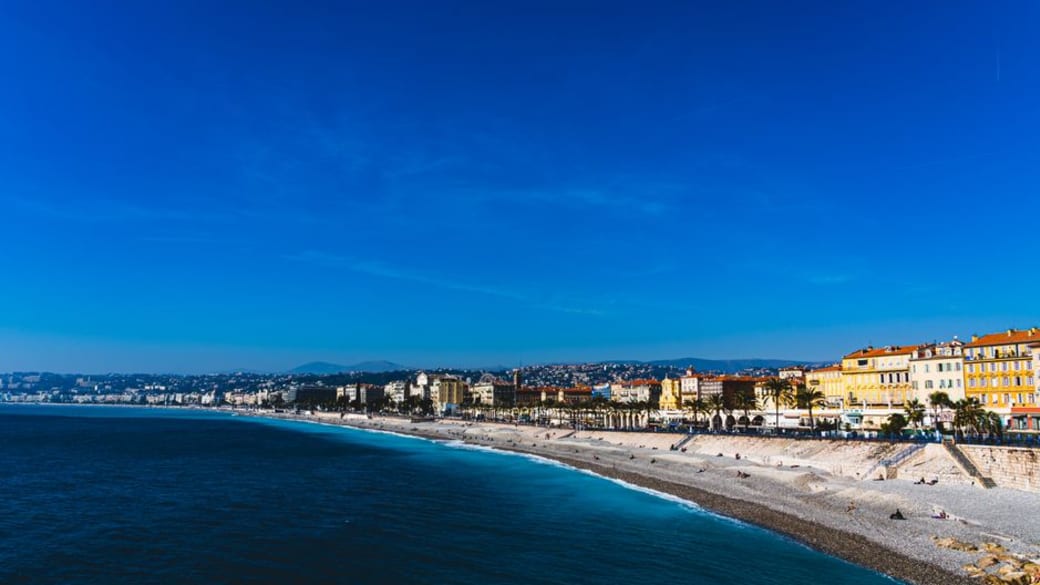
Nice’s beaches are mainly pebble rather than sand, which is worth knowing before you arrive with young children expecting to build sandcastles. The pebbles can be uncomfortable underfoot without water shoes, and they change the whole feel of a beach day compared to a sandy shore. That said, the water along this stretch of the Riviera is clear, and the setting is appealing.
Plage des Ponchettes
Plage des Ponchettes is the main public beach in central Nice, running along the seafront below the Promenade des Anglais. It’s the most accessible option for families staying in or near the city center, and many visitors end up here on their first beach day. The beach is pebble throughout, so water shoes are a practical investment if your family plans to spend time in and out of the water.
The beach gets busy in summer, particularly in the central sections closest to the promenade. Arriving earlier gives your family more space and a calmer experience.
Plage des Ponchettes
Coco Beach
Coco Beach
Coco Beach sits east of the port, past the old harbor, and it has a noticeably different character from the central beaches. It’s rockier and less developed, so it attracts more locals than tourists and stays quieter even in peak season.
The rocky entry into the water requires a bit more care with younger children, but the water quality is good, and the atmosphere is low-key. It’s about 2km east of Place Massena.
Castel Plage
Castel Plage is a private beach club at the foot of Castle Hill, at the eastern end of the main seafront. As a private beach, it operates on a paid-access model with sun loungers and service included. Its location directly below Castle Hill makes it a natural pairing if your family plans to visit the hill the same day.
Outdoor Activities
Nice’s outdoor options extend well beyond the beach. The eastern side of the city, around the old port and the hills above it, offers a good half-day of walking and exploring that combines harbor atmosphere with proper green space.
Port Lympia and Hiking Parc du Mont Boron
Port Lympia is Nice’s old harbor, about 1.5km east of Place Massena. It’s a working port with a mix of fishing boats and pleasure craft, and the colorful buildings around the harbor basin give it a character that’s distinct from the main seafront. It’s a good place to start a morning before heading uphill.
Parc du Mont Boron
The hiking trails into Parc du Mont Boron start directly from the harbor area, making the two locations a natural sequence rather than separate trips. The park covers the wooded hill above the port and has a network of paths through pine and oak forest, with viewpoints looking out over the sea and back toward the city. The trails are manageable for children comfortable with uneven ground, and the tree shade makes it a more comfortable option on hot days than the exposed seafront.
The park sits roughly 3km from the city center by road. Your family can walk the full route from the harbor, or take a bus to the port and walk from there.
Nice’s Parks and Playgrounds
Nice has enough green space to give families a break from the seafront and the old town. The two parks below cover very different ground, and between them they suit most ages and energy levels.
Parc Phoenix, Botanical Gardens and Greenhouse
Parc Phoenix sits on the western edge of Nice, close to the airport, and it’s built around one of the largest greenhouses in Europe. The greenhouse is divided into distinct climate zones, each with its own plant life and atmosphere, giving the visit a structure that children can find more engaging than a standard botanical garden.
Free-roaming birds move through parts of the park, which adds a layer of unpredictability that younger children particularly enjoy. The park also has an animal reserve. This isn’t something we’d recommend or visit ourselves, but we want you to have the full picture when planning your day there.
Parc Phoenix
Parc des Deux Rois
Parc des Deux Rois
Parc des Deux Rois is a quieter, more local park that complements the Mont Boron hiking area. It’s a good option for families who want to combine a morning forest walk with an afternoon in a relaxed green space.
The park has water-spout play features that younger children gravitate toward in warm weather, and ping pong tables for older kids. It’s the kind of place that doesn’t appear on many tourist itineraries, which is exactly what makes it worth knowing about.
Off the Beaten Track: Nice’s Not-So-Well-Known Green Spaces
A couple of quieter parks outside the main tourist strip give your family more room to spread out.
Parc Honoré d’Estienne d’Orves
Parc Honoré d’Estienne d’Orves sits on a hillside a few kilometers west of central Nice, with wide views back over the city and rows of old olive trees offering plenty of shade. It’s a popular spot for a slow walk or a picnic away from the seafront crowds, with paths gentle enough for kids to manage without much fuss.
Parc du Ray
Parc du Ray is a well-kept neighborhood park a short distance north of the city center, with a playground, open lawns, and enough shade from mature trees to offer a real break from the heat. It’s less about landmarks and more about giving younger kids somewhere to run that isn’t full of tourists.
Day Trips from Nice
Nice’s position on the Riviera makes it a practical base for day trips in several directions. The train line running along the coast is frequent and reliable, and many of the destinations below are reachable without a car.
Monaco, A Half-Day or Full-Day Escape
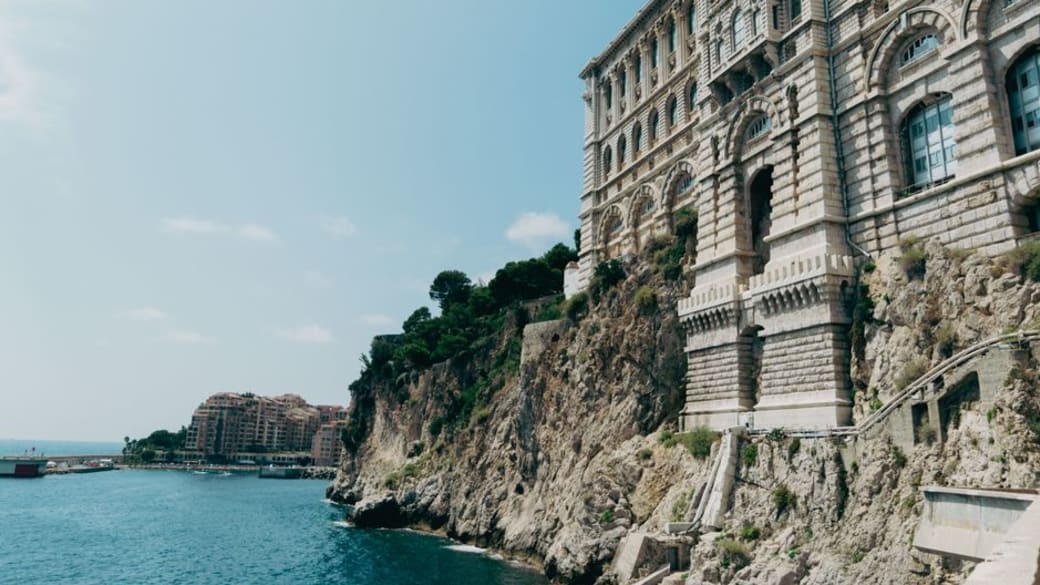
Monaco sits about 18km northeast of Nice by road, and the train journey along the coast is one of France’s more scenic rail routes. The principality is small enough to cover on foot in a half-day, though a full day gives your family time to take it at a slower pace.
The main draws for families include the Oceanographic Museum, the palace district, and the harbor where the Formula 1 street circuit runs. Monaco is noticeably more expensive than Nice across the board, so factor that into your budget planning.
Villefranche-sur-Mer, The Closest Coastal Gem
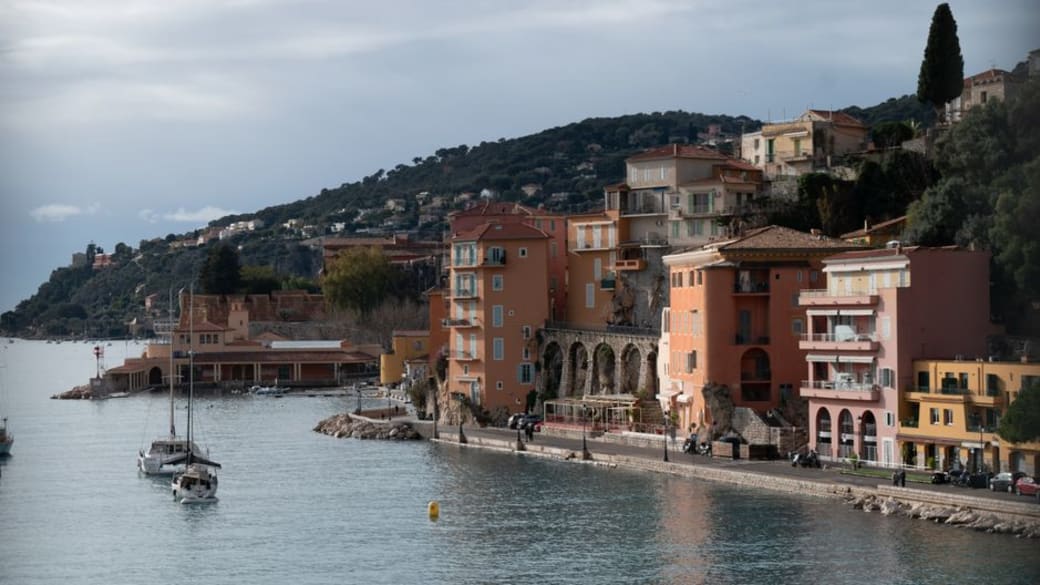
Villefranche-sur-Mer is about 6km east of Nice by road, making it the closest coastal alternative to the city beaches. The bay is sheltered and the water is calm, making it a more comfortable swimming option for younger children than some more exposed stretches of coastline.
The old town sits directly above the waterfront and is a short walk away. The citadel overlooking the bay gives older children a good vantage point and some historical context. Trains run regularly between Nice and Villefranche, making it an easy half-day trip.
The French Riviera: Antibes, Cannes, and Menton
The Riviera stretches in both directions from Nice, and several towns along the coast make good day trip options. Antibes is about 23km southwest by road and has a well-preserved old town, a large marina, and the Picasso Museum for families interested in art.
Near Antibes, there is a large marine park called Marineland. It features dolphin, orca, and sea lion shows. This isn’t something we’d recommend or visit ourselves, as it falls outside what this site supports, but we want you to have the full picture when researching the area.
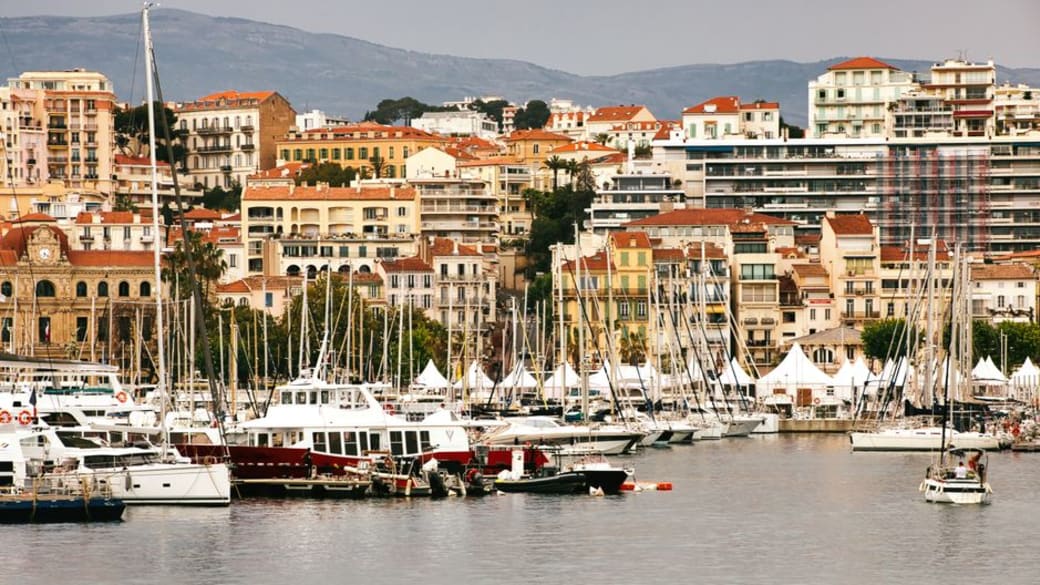
Cannes is roughly 33km southwest and is better known for its film festival than its family credentials, but the old quarter and the harbor are pleasant to walk around. Menton sits about 30km northeast, close to the Italian border, and is known for its lemon groves, colorful old town, and a slightly slower pace than the busier Riviera towns.
FAQs About Visiting Nice
What Is Nice Best Known For?
Nice is best known for the Promenade des Anglais, its seafront setting on the Bay of Angels, and its position as the main city on the French Riviera. It also has a strong identity around its old town, its distinct Niçois cuisine, and a concentration of art museums that reflects the city’s long connection with artists who lived and worked in the region.
When Is the Best Time to Visit Nice
Spring and early autumn are the more comfortable seasons for families, with warm temperatures, manageable crowds, and good conditions for both beach days and sightseeing. Summer is the busiest period, with the beaches and old town at their most crowded. Winter is mild by northern European standards, and the city is much quieter, though some seasonal attractions may have reduced hours.
How to Get Around Nice?
Nice has a tram network and a bus system that covers the majority of the city and connects to the surrounding area. The city center, old town, and seafront are all walkable from each other, and many families find they don’t need transport for the main attractions. Taxis and ride-shares are available for longer distances or when carrying luggage.
Is Nice Safe for Tourist Families?
Nice is a popular city with a strong tourist infrastructure, and most families move around it without any issues. As with any large city, stay aware of your surroundings in busy areas, especially around the main beach and market zones, where pickpocketing can occur. The old town and seafront are active and well-populated during the day, which generally makes them comfortable environments for families.
Final Thoughts
Nice definitely passes the kid-friendly test. The seafront, the old town, the museums, and the hills above the port each offer something different, and the day trip options along the coast mean your family can extend the experience well beyond the city itself. Start with the Promenade des Anglais and Castle Hill to get your bearings, then let the old town and Cimiez fill in the rest.
Where are the best places to visit in Europe?
Europe packs an enormous range into a small space. You can move from Alpine villages to Mediterranean beaches to grand old capitals in a few hours by train, and the borders are often barely noticeable. Reliable public transport, plenty of playgrounds, and kid-friendly museums make it easier than many people expect to travel here as a family. If you’re in Europe or considering a trip there, check out our ever-growing Europe activity guides for family-friendly stops across the continent. (For the road less traveled, also check out our Balkan countries activity guides. Still plenty to do, but often far fewer people!).
DISCLAIMER: This article/page may contain affiliate links. This means that if you make a purchase after clicking on one of these links, then we may receive a small commission – at no extra cost to you. See our full disclosure and Privacy Policy for more information. Thank you for supporting our site and helping make it the inspiring, location-independent, long-term family travel and worldschooling blog it aims to be!