

Say hello to Byron Bay, NSW, and get ready to enjoy another Australian family travel destination. The beaches vary enough to suit different ages and water confidence levels; the outdoor options stretch well beyond the sand, and the town is compact enough to explore without a car for much of the day. If you’re planning a trip north, here’s everything you need to know about things to do in Byron Bay.
(This post may include affiliate links for which we may earn a commission at no extra cost to you should you make a purchase. See our full disclosure and Privacy Policy for more information)
Byron Bay’s Beaches
The beaches around Byron Bay are not all the same, and that’s worth knowing before you pick a base or plan a day. Some are sheltered and calm, well-suited to younger children. Others are open and wave-exposed, better for older kids and confident swimmers. Getting a feel for each one helps your family make the most of the coastline rather than defaulting to whichever beach is closest.
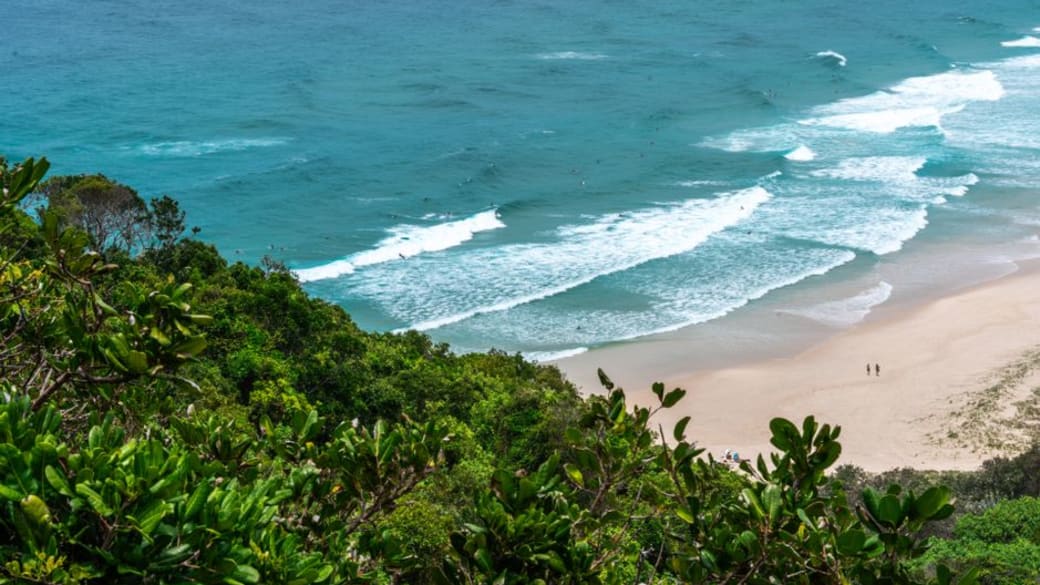
Belongil Beach
Belongil stretches north of the town center and has a noticeably different character from the beaches closer to the cape. It’s longer, less crowded, and largely unpatrolled, which is important for families to know before heading there. The surf can be strong and the rips unpredictable, so it’s not a beach for unsupervised swimming, particularly with young children.
What Belongil does offer is space. The wide, flat sand is good for walking, and the estuary at the northern end creates a calmer, shallower area that can suit paddling when conditions are right.
Belongil Beach
Main Beach
Main Beach and The Pass
Main Beach runs along the town center and is the most accessible stretch of sand in Byron Bay. It’s patrolled during peak periods, which makes it a practical choice for families who want the reassurance of lifeguards nearby. The water here is open to ocean swell, so conditions can vary. On calmer days it’s manageable for older children; on bigger swell days, it’s better suited to watching than swimming for younger kids.
At the eastern end, The Pass is a well-known surf break where the wave shape draws longboarders and experienced surfers. The water around The Pass is not the place for young children to swim freely, but the beach itself is wide, and the headland walk nearby gives your family a good reason to linger even without going in the water.
Apex Park
Directly behind Main Beach on Bay Street, Apex Park is a grassy foreshore park with open views across the bay. It’s an easy picnic stop between swims, with a toilet block and outdoor showers close by for rinsing off sand. The lawn catches the sea breeze, and many families stay on into the evening to watch the light change over the water.
Apex Park
Dening Park
Dening Park
At the eastern end of Main Beach on Lawson Street, about 500m from Apex Park, Dening Park looks out across the bay toward the cape. There’s a small playground close to the sand and toilets on site. It’s also a common starting point for the walk or ride out to Cape Byron Lighthouse, so it’s an easy place to regroup before or after.
Wategos Beach
Wategos sits in a sheltered cove just around the headland from The Pass, and the geography makes a real difference to the water conditions. The bay faces northeast and is partially protected by Cape Byron, which means the surf here is generally smaller and the water calmer than at Main Beach. For families with younger children who want to swim rather than just paddle, Wategos is a more forgiving option.
The beach is small, the sand is soft, and the surrounding headland gives it a contained feel. It’s a short drive or a walk along the coastal path from the town center, and the low-key atmosphere makes it a good choice for a slower morning.
Wategos Beach
Tallow Beach
Tallow Beach
Tallow Beach runs south of Cape Byron for several kilometers and is one of the longest stretches of sand in the area. It’s exposed, faces the open ocean, and carries consistent surf. The water here is not suitable for young or inexperienced swimmers, and the beach is unpatrolled for much of its length.
Walking the beach, flying a kite, or exploring the dunes along the southern end are all reasonable ways to spend time here without going near the water. The beach borders Arakwal National Park, and the bush behind the dunes adds a different texture to the experience.
Byron Bay’s In Water Activities
The water around Byron Bay offers more than just beach swimming. From guided kayak tours to snorkeling in a marine reserve, the options for kids’ activities in Byron Bay extend well into the ocean. The activities below suit a range of ages and abilities, and a few come with specific considerations worth reading before you book.
Surfing Lessons for All Skill Levels
Byron Bay has a well-established surf school scene, and lessons are available for complete beginners through to intermediate surfers looking to build on existing skills. For kids who’ve never stood on a board, beginner lessons typically use soft-top boards in the whitewash, a forgiving environment to learn in.
Older children and teenagers with some experience can progress to lessons that focus on reading waves and improving technique. Many operators run group lessons and private sessions, so your family can choose the format that suits the age spread and confidence levels you’re working with.
Snorkeling and Diving at Julian Rocks
Julian Rocks sits about 2.5km off Cape Byron and is protected as the Julian Rocks Nguthungulli Nature Reserve, with a sanctuary zone around it inside Cape Byron Marine Park. That protection means the underwater environment is relatively undisturbed, and the site is known for high marine diversity, including rays, turtles, and reef fish.
Snorkeling tours are available for children who are comfortable in open water, and scuba diving is an option for older kids and adults with appropriate certification or through introductory dive programs. Visibility and conditions vary by season, and the site suits families with confident swimmers better than those just starting out.
Nguthungulli Julian Rocks Nature Reserve
Kayaking With Dolphins
Guided kayak tours operate out of Byron Bay and often encounter dolphins in the waters around the cape. It’s worth being clear about what this is: these are wild animals in their natural habitat, not a managed encounter. The dolphins are not fed, trained, or directed toward the kayaks. If they appear, it’s on their terms.
What you’re signing up for is a paddle around one of the more scenic stretches of coastline in New South Wales, and dolphins may or may not be part of it. Many tours also pass close to Julian Rocks, which adds a snorkeling or wildlife-spotting element depending on the operator.
Byron Bay’s Outdoor Activities
The outdoor options around Byron Bay stretch well beyond the beach. From lighthouse hikes to cultural tours to hot air balloon flights, the range of kids’ activities in Byron Bay covers a wide spread of ages, interests, and energy levels.
Cape Byron Lighthouse Hike and Sunrise Walk
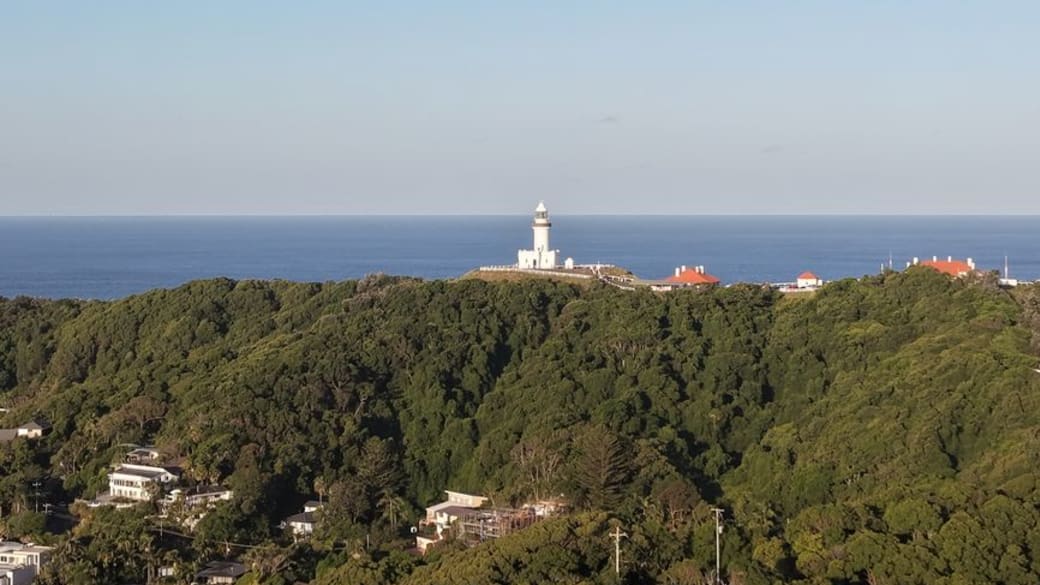
The Cape Byron Walking Track loops around the headland and up to the lighthouse at the most easterly point of mainland Australia. The path takes in coastal views, passes through patches of bush, and offers good vantage points for spotting dolphins and, during migration season, whales. The lighthouse precinct also includes a maritime museum, which is worth factoring into your visit.
The sunrise walk is a popular option, and it’s practical for families rather than just scenic. Getting to the cape before dawn means arriving before the crowds, and the light at that hour is different from a midday visit. For families with young children, the early start is the main variable to weigh up.
Cape Byron Lighthouse
Minyon Falls
Minyon Falls Hike
Minyon Falls is located in Nightcap National Park, roughly 30km west of Byron Bay. The falls drop around 100 meters into a rainforest gorge, and there are two main ways to experience them. The shorter route goes to the lookout and suits most ages and fitness levels. The full loop descends to the base of the falls and back up, and it’s a more demanding commitment that requires reasonable fitness from everyone in your family.
One direct note for parents: swimming at the base of the falls is possible, but pool conditions can change after rainfall. Check current conditions and any park signage before letting children swim there.
Whale Watching Cruises
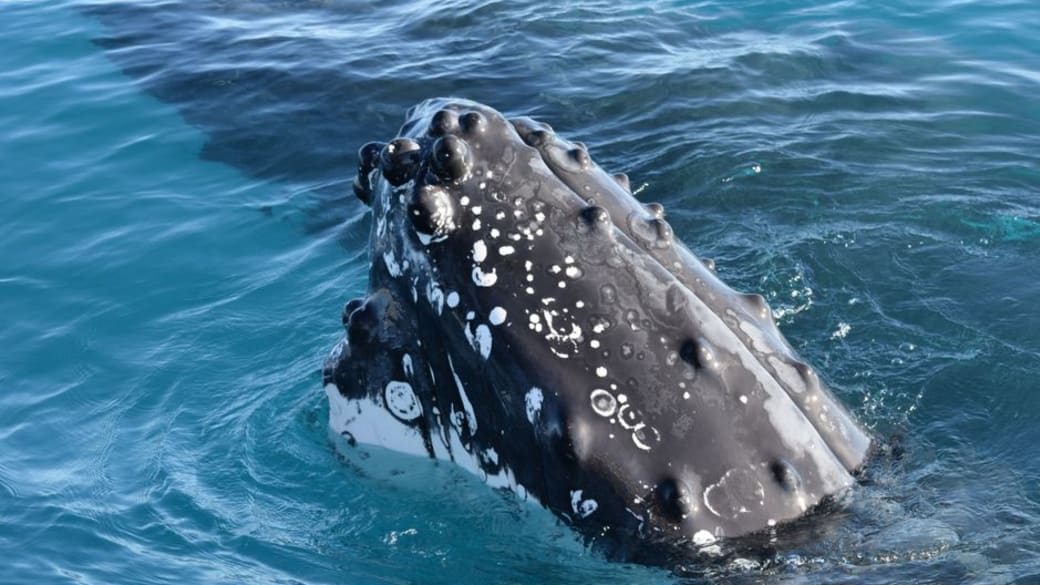
Humpback whales migrate along the New South Wales coast between roughly June and November, and Byron Bay sits on that route. Boat-based whale-watching tours operate from the area during this window, and encounters are with wild animals in open ocean. These aren’t zoo-style viewings. There’s no enclosure, no feeding, and no performance. The whales move on their own terms, and the experience reflects that.
Hot Air Balloon Flight Over Byron Bay
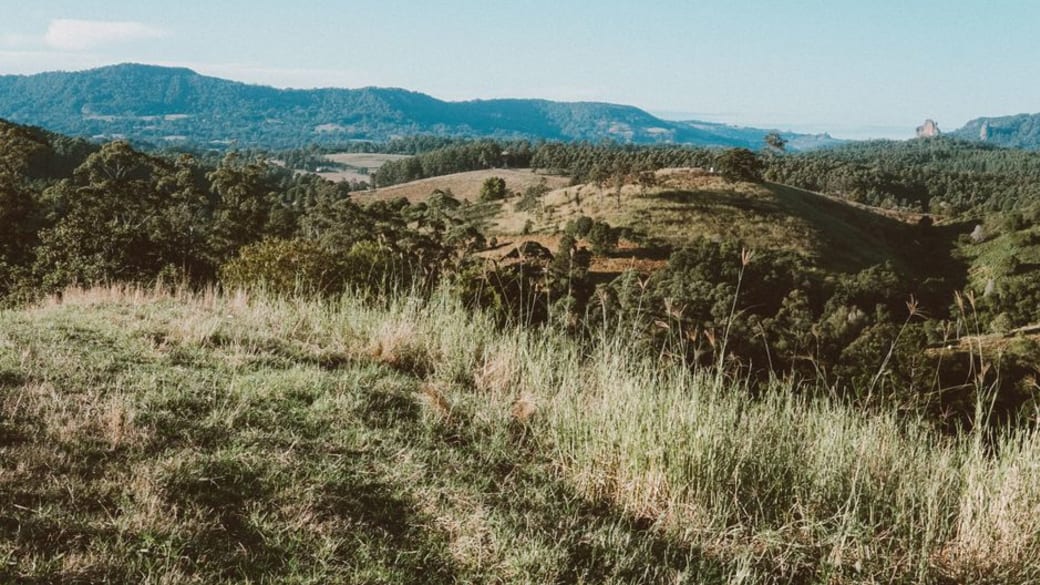
Hot air balloon flights over the Byron Bay hinterland offer a different perspective on the region, with views across the coast, the caldera, and the ranges behind the town. Flights typically launch in the early morning, which means a predawn start. For families with young children, that timing is the most significant practical consideration.
Before booking, confirm minimum age and weight requirements directly with the operator. These vary between providers and are non-negotiable for safety reasons.
Byron Bay Solar Train
The Byron Bay Solar Train is a heritage 1949 rail car converted to run on solar power. It operates on a refurbished section of the old Casino to Murwillumbah railway line, running between Byron Bay town center and the Arts and Industrial Estate. The journey is short, but the train itself is the draw: a restored piece of rail history running on renewable energy, a combination many people don’t usually see.
Byron Bay Solar Train
Crystal Castle and Shambhala Gardens
Crystal Castle and Shambhala Gardens
Crystal Castle and Shambhala Gardens are located in the hinterland near Mullumbimby, about 15km from Byron Bay. The site is built around a large garden with walking paths, mature trees, and a collection of large crystal formations and sculptures. The outdoor setting is the main draw, and the gardens are well maintained and easy to walk through with children.
The atmosphere is calm, and the pace is slow, which suits families looking for something quieter than a beach day. There’s no specific age requirement, and the garden paths are accessible for most ages on foot.
Aboriginal Cultural Concepts Bundjalung Coast Tour
Aboriginal Cultural Concepts runs guided coastal walks along Country between Byron Bay and Ballina, led by Bundjalung people. The tours cover the cultural, ecological, and historical significance of the coastline from a Bundjalung perspective, and the knowledge shared reflects a deep, ongoing connection to this Country rather than a general introduction to Indigenous culture.
For families, this is a meaningful way to understand the place you’re visiting beyond its beaches. The walking format makes it accessible for older children, and the guided structure means the content is presented with context and care. Booking directly with Aboriginal Cultural Concepts is the right approach.
The Farm Byron Bay
The Farm Byron Bay is a working farm on the outskirts of town that has developed a visitor experience around its produce, gardens, and agricultural operations. The grounds are worth exploring, and the farm’s approach to growing and land use gives the visit an educational thread for children.
The farm’s own visitor information describes a daily animal feeding session as part of the general admission experience, with free-roaming animals including cattle and pigs on the property. We’d flag this as an ambiguous case rather than a clean passive wildlife experience to include in your plans. If animal interaction and welfare matters to your family, we recommend checking the current format directly with the farm before visiting. The gardens and produce experience stand on their own regardless.
The Farm Byron Bay
Other Byron Bay Parks and Playgrounds
Byron Bay has a couple of well-maintained public spaces worth knowing about, especially for families with younger children who need a break from the beach or a place to run around without a plan.
Railway Park
Railway Park sits on Jonson Street in the center of town, making it easy to fit into a day without a detour. The park includes a playground and a boardwalk that runs through a stand of Cottonwood trees, with Indigenous artwork embedded in the pathways throughout the site. These aren’t decorative additions; they’re a considered part of the park’s design and worth pointing out to children as you walk through.
The central location means your family can combine a playground stop with the rest of a town-based morning or afternoon without backtracking.
Railway Park
Jarjumirr Skate Park
Jarjumirr Skate Park
Jarjumirr Skate Park is in the Sandhills Estate area of Byron Bay. The design is all-ages and all-abilities, meaning it’s set up for everyone from young children on scooters to experienced skaters. The site’s design reflects cultural input from the Bundjalung of Byron Bay Arakwal people, and the name reflects that connection to Country.
It’s a well-considered public space that goes beyond a standard skate facility. For families with kids who skate, scoot, or ride, it’s a practical and well-designed option.
Byron Bay’s Indoor Activities for Kids
Byron Bay’s weather is generally good, but rain happens, and on the hottest days there’s little shade on the sand. Having a few indoor and cooler options in reserve makes a wet or scorching day feel less like a loss.
Circus Arts Byron Bay
Circus Arts Byron Bay is located in the Byron Bay Arts and Industrial Estate and is one of the few weather-proof options in the area. The facility includes a 10-meter flying trapeze, an indoor climbing wall, and a dedicated kids’ play space with a vintage carousel and circus-themed features throughout.
Sessions are available for children as young as one, and the program includes drop-in options and structured school holiday programs. The range of activities means different ages can be occupied at the same time, which is a practical consideration for families with a spread of ages. It holds up as a full morning or afternoon activity regardless of what the sky is doing outside.
Circus Arts Byron Bay
Byron Bay Library
Byron Bay Library sits on the corner of Middleton and Lawson Streets, a short walk from the town center and Main Beach. It’s spacious and air-conditioned, with room to sit and read or use the computers, which makes it a useful stop on a wet afternoon or a hot one. Jarjumirr Skate Park is close by, so a visit pairs easily with a skate or scoot once the weather clears.
Byron Bay Library
Byron Bay Swimming Pool
Byron Bay Swimming Pool
Byron Bay Swimming Pool is a 50m pool at the Main Beach end of Jonson Street, right beside Apex Park. It gives kids who aren’t yet confident in the surf a calmer place to swim, and it’s a practical fallback on hot days when beach conditions aren’t suitable.
Day Trips from Byron Bay
Byron Bay’s location in the Northern Rivers region puts a handful of worthwhile day trips within easy reach. The two options below differ in character and suit families for different reasons.
Brunswick Heads Day Trip
Brunswick Heads is about 15km north of Byron Bay and is a quieter, smaller town that many families find a welcome change of pace. The main draw for families with young children is Torakina Beach, which sits at the mouth of the Brunswick River. The water here is flat and sheltered, making it a reliable, safe swimming spot for children who aren’t yet confident in ocean surf.
A grassy park with picnic tables and barbecues sits directly alongside the beach, which makes it easy to set up for a few hours without much planning. The town itself is small and walkable, with a relaxed atmosphere that suits a slow day.
Torakina Beach, Brunswick Heads
Nimbin Day Trip
Nimbin is about 65km southwest of Byron Bay and has a well-known counterculture character that makes it unlike anywhere else in the region. The town is small, the main street is easy to walk, and the surrounding hinterland is green and scenic.
For families, Nimbin is more of a cultural curiosity than an activity-based destination. It’s worth going with a clear sense of what the town is known for, as the atmosphere and some of the street-level activity may prompt questions from older children. It’s an interesting place to visit with context, not without it.
FAQs About Visiting Byron Bay
What Is Byron Bay Best Known For?
Byron Bay is known for its beaches, surf culture, and relaxed coastal atmosphere. It also has a strong reputation as a base for outdoor activities, from whale watching to hinterland hiking, and the town draws a wide mix of travelers, including many families.
When Is the Best Time to Visit Byron Bay?
The shoulder seasons of spring and autumn generally offer warm weather with fewer crowds than the peak summer school holiday period. Winter is mild by Australian standards and coincides with whale migration season, which makes it a practical time for families interested in whale watching.
How to Get Around Byron Bay?
The town center is compact and walkable, and many of the main beaches and parks are accessible on foot or by bike. For beaches further afield, such as Tallow Beach or Wategos, a car or ride-share is useful.
Byron Bay is about 170km south of Brisbane and roughly 770km north of Sydney by road. There’s no regional passenger rail into Byron Bay itself. Trains from Sydney stop at Casino and Grafton, with connecting coaches running on to the town, and regional buses link Byron Bay with the surrounding Northern Rivers towns.
Is Byron Bay Safe for Tourist Families?
Byron Bay is a well-visited, family-friendly destination with no unusual safety concerns for tourists. The main safety consideration is the ocean: not all beaches are patrolled, and surf conditions vary. Sticking to patrolled beaches and checking flags before swimming is the safest practical step your family can take.
Final Thoughts
Byron Bay has enough variety to keep a family occupied across a full week without repeating the same kind of day twice. The beaches alone cover a range of conditions and characters, and the outdoor, cultural, and indoor options add real depth to what’s on offer. Start with the beaches that suit your children’s swimming confidence, build in one or two of the hinterland activities, and keep Circus Arts Byron Bay in reserve for the inevitable rainy afternoon. For a full picture of things to do in Byron Bay with kids, use this guide as your planning starting point and check directly with operators for current availability and booking details.
Where are the best places to visit in Australia?
Australia is a country the size of a continent, so where you go shapes the whole trip. Queensland brings the tropical north and the Great Barrier Reef; Sydney and Melbourne bring big-city energy and coastline; Tasmania offers cool wilderness; and the Red Center is pure outback. Distances are long, so most families choose one or two areas and settle in rather than trying to cover everything. If you’re in Australia or considering a trip there, check out our Australia activity guides for family-friendly stops across the country, and our Western Australia guides if you’re heading west.
DISCLAIMER: This article/page may contain affiliate links. This means that if you make a purchase after clicking on one of these links, then we may receive a small commission – at no extra cost to you. See our full disclosure and Privacy Policy for more information. Thank you for supporting our site and helping make it the inspiring, location-independent, long-term family travel and worldschooling blog it aims to be!