

Liverpool packs a remarkable range of experiences into a compact, walkable center, from world-class museums and music heritage to waterfront walks and wide green parks.
What Are the Best Things to Do in Liverpool with Kids?
The Royal Albert Dock alone contains multiple museums and galleries. Many of these museums, galleries, and heritage sites sit close to each other, and the waterfront ties them together in a way that makes a full day on foot feel natural rather than exhausting.
The city also has real depth across different age groups. Younger children respond well to the hands-on science and play spaces, while older kids engage more with the music history, the football culture, and the wartime museum. The green spaces are large enough to decompress in, and the indoor options hold up well on a grey afternoon.
(This post includes affiliate links for which we may earn a commission at no extra cost to you should you make a purchase. See our full disclosure and Privacy Policy for more information)
Famous Liverpool Architectural Landmarks
Liverpool’s built environment is worth noting. The city has one of the highest concentrations of listed buildings in England outside London, and many of them are clustered in the center in a way that makes a walking tour feel less like a history lesson and more like a natural part of moving through the city. For families, this means the architecture isn’t something you seek out separately; it’s simply part of what you see as you move between attractions.
Royal Albert Dock: Museums and Galleries
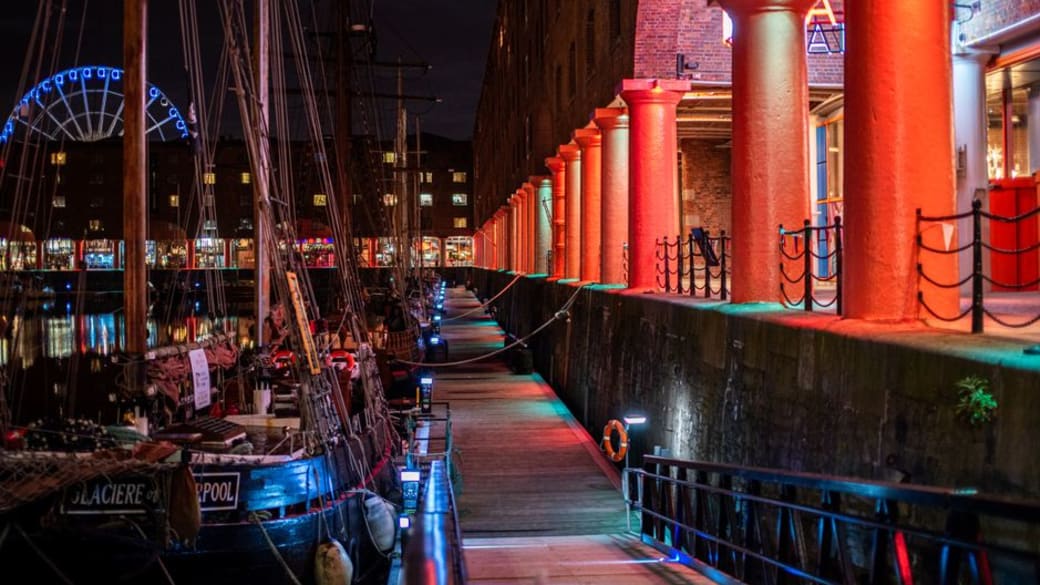
The Royal Albert Dock is the natural starting point for most family visits to Liverpool. Built in the 1840s, it was the first structure in Britain to be built entirely from cast iron, brick, and stone, with no timber used in its construction. Today the dock complex houses Tate Liverpool, the Merseyside Maritime Museum, the International Slavery Museum, and The Beatles Story, all within the same waterfront footprint. The buildings themselves are Grade I listed, and the scale of the dock gives children a real sense of what Victorian industrial architecture looked like at its most ambitious.
St George’s Hall and the Georgian Quarter
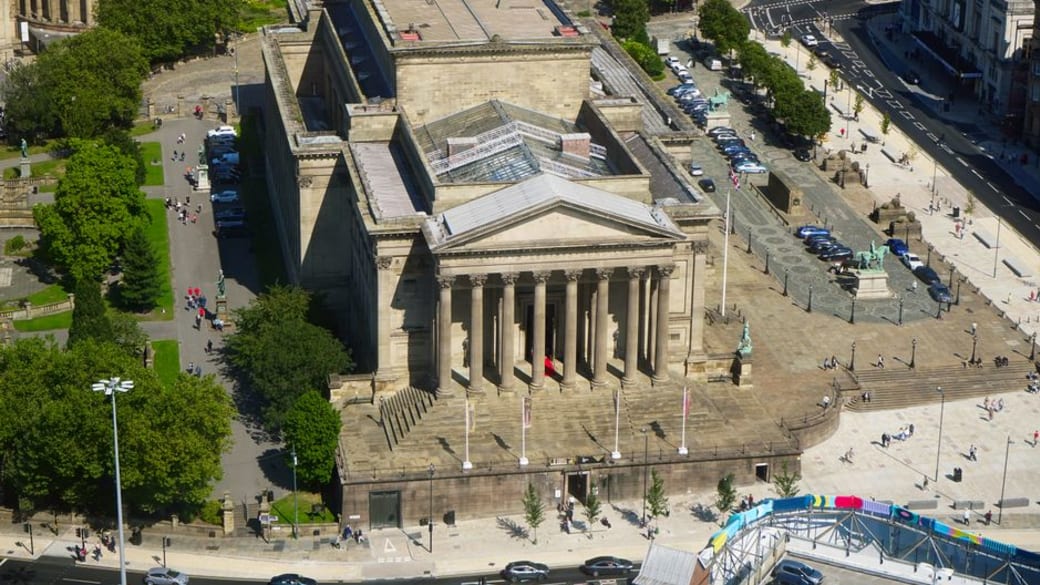
St George’s Hall sits at the top of Lime Street and is one of Europe’s finest neoclassical buildings. Completed in 1854, it originally combined a concert hall with law courts, giving it an unusual dual character that older children often find interesting. The surrounding area, including William Brown Street, forms a civic quarter that contains several of the city’s major museums within a short walk of each other. The buildings here are impressive, and the open plateau in front of St George’s Hall gives younger children room to move while adults take in the architecture.
Hope Street and Liverpool’s Architectural Heritage
Hope Street connects Liverpool’s two cathedrals and is one of the city’s most architecturally varied streets. Along its length and in the surrounding streets, you’ll find Georgian terraces, Victorian civic buildings, and twentieth-century additions that sit in close proximity without feeling incongruous. For families, it’s a good route to walk between the two cathedrals, and the street itself has a calm, residential quality that contrasts well with the busier waterfront areas.
Liverpool Cathedral and Metropolitan Cathedral of Christ the King
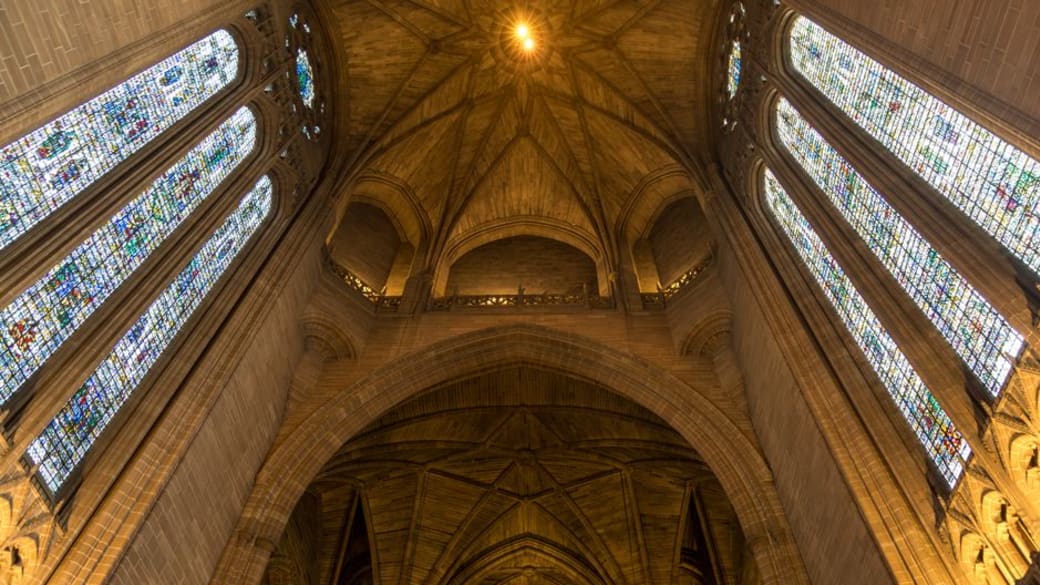
Liverpool Cathedral, the Anglican one, is the largest cathedral in Britain and took over seventy years to complete, finishing in 1978. The Metropolitan Cathedral of Christ the King, at the other end of Hope Street, is a circular modernist building completed in 1967, with a striking crown-like tower and vivid stained glass that creates coloured light across the interior.
Both are worth visiting, and the contrast between them invites a natural conversation about architecture and how buildings reflect the time they were built.
The Three Graces and Pier Head
The Three Graces, the Royal Liver Building, the Cunard Building, and the Port of Liverpool Building, stand together at Pier Head and form one of the most recognizable waterfronts in Britain. The Royal Liver Building, completed in 1911, is topped by the Liver Birds, among the city’s most recognizable symbols. The Pier Head is also the departure point for Mersey Ferry crossings, which makes it a practical hub as well as a visual one.
Liverpool’s Creative Culture and Galleries
Liverpool’s creative offer goes well beyond its music heritage. The city has a strong gallery culture, a growing street art scene, and a concert hall with a programme that includes family-specific events. These experiences are spread across different parts of the city, which means they can be woven into a wider itinerary rather than treated as a separate cultural detour.
Tate Liverpool
Tate Liverpool sits within the Royal Albert Dock and shows modern and contemporary art from the Tate collection alongside temporary exhibitions. The building’s industrial dock architecture gives the gallery a distinctive atmosphere that feels different from a traditional white-cube gallery space. Check what’s showing before you visit, as some exhibitions are more accessible to younger children than others. The gallery is a good option for families with older children who have some interest in art, and its waterfront location fits naturally into a broader dock visit.
Walker Art Gallery
The Walker Art Gallery on William Brown Street holds one of the largest art collections outside London, spanning work from the thirteenth century to the present day. For families, the collection’s range is a practical advantage; there’s enough variety that children of different ages and interests are likely to find something that holds their attention. The gallery is part of the civic quarter near St George’s Hall, making it easy to combine with other nearby attractions.
The Baltic Triangle: Street Art and Creative Culture
The Baltic Triangle is a post-industrial area south of the city center that has developed into a hub for creative businesses, independent studios, and street art. The murals here are large-scale and varied, and walking through the area gives families a different kind of visual experience from the galleries and museums elsewhere in the city. It’s a good option for older children and teenagers who respond better to art in an outdoor, urban context than in a formal gallery setting.
Liverpool Philharmonic Hall
Liverpool Philharmonic Hall on Hope Street is home to the Royal Liverpool Philharmonic Orchestra and hosts a broad programme of concerts and events. The building itself is a Grade II listed Art Deco venue, and the interior is worth seeing even outside of a performance. The hall runs family-specific programming at various points in the year, so it’s worth checking what’s on during your visit. For families with children interested in music, a live performance here offers a different kind of experience than the music heritage sites elsewhere in the city.
Liverpool’s Legendary Music Scene
Liverpool’s relationship with music is not just historical. It’s physically present in the city in a way that makes it accessible to families even without a deep knowledge of the subject. The Beatles are the obvious starting point, but the city’s music story is broader, and the venues and museums that tell it are spread across a walkable area of the center.
The Beatles Story and Beatles Heritage
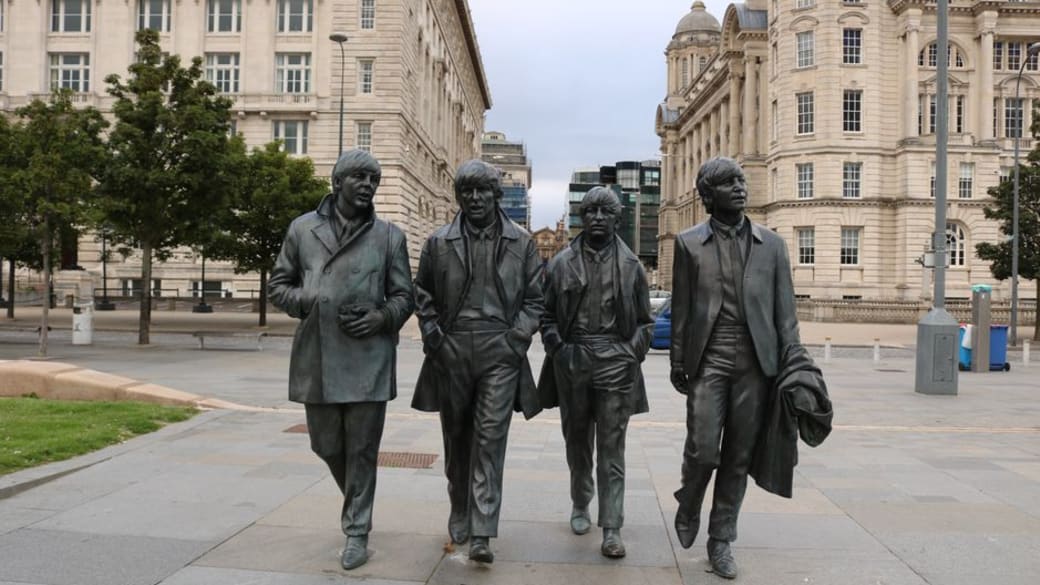
The Beatles Story at the Royal Albert Dock is the most comprehensive museum dedicated to the band’s history, covering their early years in Liverpool through to their global impact. It’s well-suited to families because the exhibits are accessible rather than academic, and the audio guides help younger visitors engage with material they might not already know.
Beyond the museum, the city has a wider network of Beatles-related sites, including the childhood homes of John Lennon and Paul McCartney, which the National Trust manages and that require advance booking. For families with a genuine interest in the band, combining the museum with a visit to the homes gives a more complete picture of where the music came from.
Mathew Street and the Cavern Club Quarter
Mathew Street is a short pedestrian street in the city center that sits at the heart of Liverpool’s music heritage. The Cavern Club, where the Beatles played hundreds of times in the early 1960s, is located here, and the street itself has a concentrated energy that older children and teenagers tend to find engaging.
The current Cavern Club is a reconstruction, not the original venue, but it occupies the same location and maintains the atmosphere of a working music venue. The surrounding streets have a lively character that gives families a sense of the city’s ongoing relationship with live music, not just its past.
British Music Experience
The British Music Experience is a museum covering the full arc of British popular music from the 1940s to the present day. It’s housed in the Cunard Building at Pier Head, putting it within easy reach of the other waterfront attractions.
Where The Beatles Story focuses specifically on one band, the British Music Experience takes a broader view, covering genres, decades, and cultural moments that go well beyond Liverpool. For families visiting both, the two museums complement each other rather than overlap, and older children with wider music interests are likely to find the British Music Experience particularly engaging.
Liverpool’s History and Museums
Liverpool’s museum provision is substantial. The city has a cluster of major museums that cover maritime history, world cultures, wartime operations, and the history of the transatlantic slave trade. Most are either within the Royal Albert Dock complex or in the civic quarter near St George’s Hall, making it practical to visit several in a single day without covering much ground.
Museum of Liverpool
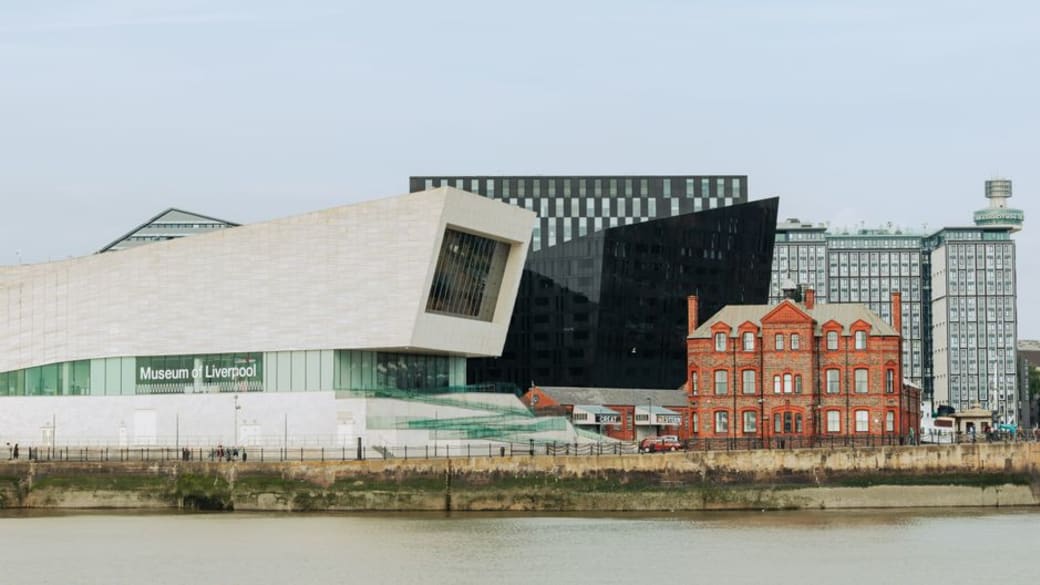
The Museum of Liverpool on the Pier Head waterfront tells the city’s story, covering its history, its people, and its cultural life. For families with younger children, the Little Liverpool gallery is a specific draw; it’s designed for under-5s and gives very young visitors a hands-on, play-based introduction to the city.
Older children will find more to engage with in the sections covering the city’s social history and its role in global trade. The building is modern and well-designed, with clear sightlines and open spaces that make it manageable with a pushchair or with children who need room to move.
World Museum Liverpool
World Museum Liverpool on William Brown Street covers natural history, archaeology, and world cultures across multiple floors. The collection is broad enough that most children will find at least one area that captures their interest, whether that’s the ancient Egypt galleries, the natural history displays, or the planetarium. It’s a good option for families with children across a wide age range, as the exhibits span enough different subjects to hold varied attention spans.
Western Approaches Museum
The Western Approaches Museum is a preserved Second World War operations bunker beneath the city center. The Battle of the Atlantic was coordinated from here, and the rooms have been kept largely as they were during the war. For children with some knowledge of the Second World War, going underground into a space frozen in time is quite a memorable experience. The bunker includes stairs and confined spaces, which is worth considering for families with very young children or pushchairs.
Merseyside Maritime and International Slavery Museums
The Merseyside Maritime Museum at the Royal Albert Dock covers Liverpool’s long history as a port city, including its role in emigration, shipbuilding, and transatlantic trade. The exhibits include full-scale ship reconstructions and artifacts that give children a tangible sense of what maritime life looked like across different periods. The museum shares a building with the International Slavery Museum, but the two collections are distinct and should be treated as separate visits rather than a single combined experience.
The International Slavery Museum occupies the third floor of the same building as the Merseyside Maritime Museum and tells the history of the transatlantic slave trade and its legacy. It’s a serious and important museum, and parents should be aware that some of the content is confronting and not suited to very young children.
For families with children aged ten and above, it prompts meaningful conversation and provides historical context that goes well beyond most school curricula. The museum does not shy away from the scale of what happened, and that directness is part of what makes it worth visiting.
Indoor Activities for Rainy Days
Liverpool’s weather is variable, and any family travel guide has to acknowledge that a rainy afternoon is a real possibility. The museums covered elsewhere in this article are strong wet-weather options, but for families with younger children who want something more active and less structured, there’s a purpose-built option outside the museum circuit.
Liverpool Central Library
Liverpool Central Library on William Brown Street sits right inside the museum quarter your family will already be walking through, and its domed reading room and glass-roofed atrium are worth a look even if nobody wants to borrow a book. The Picton Reading Room is a quiet spot to sit out a wet afternoon, and the building has a rooftop terrace with views over the rooftops once the sky clears. It’s close enough to World Museum Liverpool and the Walker Art Gallery that a stop here fits naturally into the same day.
Imagine That! Science and Discovery Centre
Imagine That! Science and Discovery Centre is located at Wavertree Technology Park on Faraday Road, about 4km from the city center. It’s designed specifically for children under ten and is built around doing rather than looking. The zones cover imaginative role play, art-making, hands-on science, and a slime-making area that’s a particular hit with the under-8 crowd.
It’s a different kind of kids’ activity in Liverpool from the museums and galleries; there are no exhibits to stand in front of and no audio guides to follow. Your family moves through the space at their own pace, and the emphasis throughout is on making and playing rather than observing. For parents with toddlers or early primary-age children, it’s a practical and engaging option when the weather closes in.
Indoor Adventure Play and Trampoline Parks
Jump Inc by AirHop
Jump Inc by AirHop in Hunts Cross, south of the city, combines trampolines with laser tag and a football pitch under one roof, and suits slightly older kids who want more to do than bouncing alone.
Slimeville Kids Playground
Slimeville Kids Playground on Duke Street, a short walk from the Baltic Triangle, is a colorful indoor play space built around trampolines, an interactive piano, digital coloring walls, and hands-on slime stations.
Jungle Fun Liverpool
Jungle Fun Liverpool, in the Belle Vale Shopping Center southeast of the city, is a soft play center built around slides, ball pits, and climbing frames, useful for families staying or shopping in that part of the city.
Ninja Warrior UK Adventure Park, Speke
Ninja Warrior UK Adventure Park in Speke gives older kids and teenagers a chance to burn off energy on the same style of obstacle courses seen on the TV show, with padded rigs, warped walls, and a range of difficulty levels built in. It sits south of the city near Speke Hall and the airport, so it pairs naturally with a day in that part of Liverpool rather than as a quick add-on to a city center itinerary. Sessions are timed, so it works best as a planned stop rather than a spontaneous one.
Outdoor Activities and Attractions
Liverpool’s outdoor offerings are shaped by the River Mersey, giving the city a distinctive sense of place. The waterfront is not just a backdrop; it’s an active part of the city’s identity, and spending time on or near the river gives families a different kind of experience from the museums and galleries inland. Further out, Crosby Beach offers one of the most memorable outdoor art experiences in the north of England.
The River Mersey
The Mersey is a working river, and that’s part of what makes it interesting. The Pier Head is the main departure point for Mersey Ferry crossings to Birkenhead and Seacombe on the Wirral Peninsula, and the ferry crossing itself is a worthwhile experience for children who haven’t been on a river ferry before.
The views back toward the Three Graces from the water give a perspective on the waterfront that you can’t get from the shore. The waterfront promenade is also a practical route for families moving between the Pier Head and the Royal Albert Dock, and the open space along the river gives children room to move between indoor visits.
The Otterspool Promenade
The Otterspool Promenade runs along the River Mersey south of the city center and gives your family a flat, easy stretch to walk, cycle, or scoot along with river views the whole way. It’s a good option for burning off energy after a morning spent in museums, and it ties naturally into the wider Mersey waterfront.
Crosby Beach and the Antony Gormley Sculptures
Crosby Beach is about 8km north of Liverpool city center and is home to Another Place, Antony Gormley’s installation of one hundred cast-iron figures spread across three kilometers of beach and into the sea. The life-sized figures face the horizon, and seeing them emerge from the sand and water at different tide levels is striking for adults and children alike. Children tend to respond to the figures physically and exploratorily, moving between them and noticing how each one looks different depending on the light and the tide. It’s an outdoor experience that doesn’t require prior art knowledge to be engaging, and the beach is wide and open enough for children to run freely between visits to the sculptures.
Liverpool’s Green Spaces and Parks
A city trip with children needs green space built in, not as an afterthought but as part of the day. Liverpool’s parks are well-maintained and accessible, and Sefton Park in particular is large enough to feel like a proper escape from the urban environment without requiring a long journey from the center.
Chavasse Park
Chavasse Park sits above the Liverpool ONE shopping center, right beside the Royal Albert Dock, and gives your family a stretch of open grass to let the kids run around between museum visits. It’s a small park rather than a destination in its own right, but its location makes it a practical place to pause with a picnic or a snack while you’re already in the dock area. In the evening, the surrounding lights from Liverpool ONE give the space a different feel.
Newsham Park & Garden
Newsham Park & Garden, northeast of the city center, is built around a lake and a formal garden, with a playground and open lawns that give younger children plenty of room to run. Ducks and other birds are a regular sight on the water, and the paths make for an easy loop if your family wants a shorter walk than Calderstones or Sefton Park offer. A cafe sits near the entrance for a break along the way.
Sefton Park
Sefton Park is about 4km south of the city center and covers around 100 hectares of Victorian parkland. Designed in the 1870s by Edouard André and Lewis Hornblower, the layout reflects the formal Victorian approach to public parks, with wide paths, open meadows, a boating lake, and the Grade-listed Palm House at its center.
For families, the park’s scale is its main advantage; there’s enough space that children can run freely without feeling hemmed in, and the variety of the landscape, from open grass to wooded paths to the lake, keeps the experience from feeling repetitive. The Palm House is a distinctive Victorian glasshouse that’s worth a look even if you’re primarily there for the outdoor space.
Calderstones Park
Calderstones Park in south Liverpool is built around a walled garden, an Old English Garden, and a collection of ancient standing stones that give the park its name. The grounds are large enough for a proper wander, with a playground, a lake, and one of the oldest oak trees in the country tucked among the paths.
Greenbank Park
Greenbank Park in south Liverpool is a smaller, quieter option built around a lake, formal gardens, and a play area, with turtles and waterfowl a regular sight for families walking the path around the water. It’s a good pick if your family wants a calmer green space than the bigger parks nearby, with benches scattered around the lake for a rest partway through.
Stanley Park
Stanley Park sits between Anfield and Everton’s stadium at Bramley-Moore Dock, and its Victorian layout of lakes, bridges, and formal flower beds offers a nice change of pace on either side of a stadium visit. There’s a playground, open fields for the kids to run in, and a cafe housed in the old Isla Gladstone conservatory. Families interested in either club’s history will find the park sits neatly between both grounds, making it easy to combine with a football-focused day.
Football, Sport, and Stadiums
Football is woven into Liverpool’s fabric in a way that’s hard to separate from the city’s broader identity. Both of the city’s major clubs have deep roots and passionate followings, and for families interested in the sport, a stadium visit adds a dimension to a Liverpool trip that goes well beyond a match result.
Anfield Stadium Tour and Liverpool FC
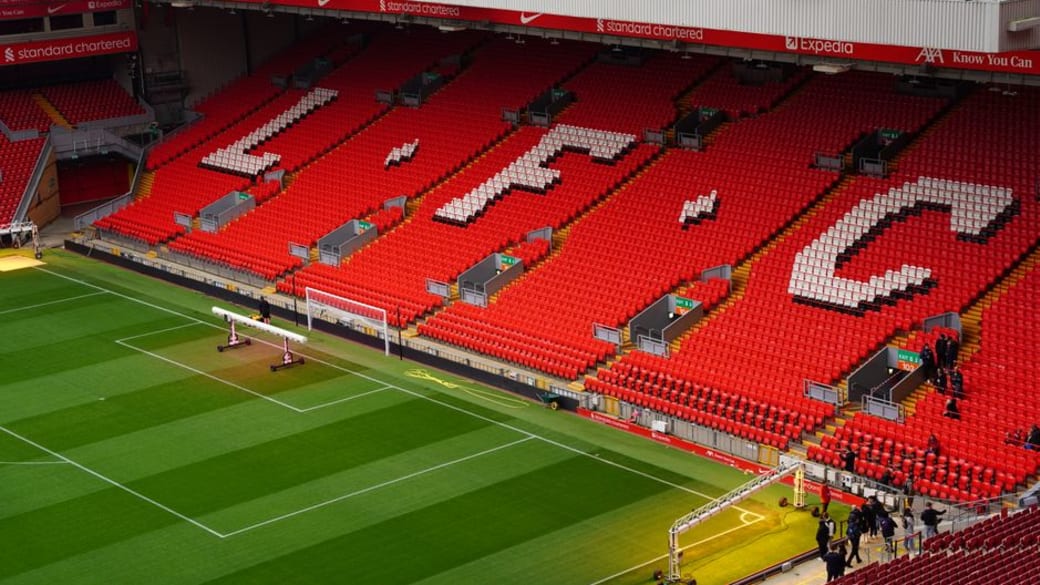
Anfield is about 3km north of the city center and is one of the most famous football grounds in the world. Stadium tours are available on non-matchday visits and cover the dressing rooms, the tunnel, and the pitch-side areas, giving families a close-up view of a working top-flight stadium.
The atmosphere at Anfield on a matchday is something that football-interested children tend to remember for a long time, and tickets for Liverpool FC matches are worth pursuing well in advance given the demand. The club’s museum, included in the stadium tour, covers the club’s history in a way that’s accessible to children who are new to the story as well as those who already know it well.
Everton FC [Goodison Park and Bramley-Moore Dock]
Everton’s situation is worth understanding before you visit. The men’s first team moved to Everton Stadium at Bramley-Moore Dock for the 2025-26 season. The new stadium sits on the northern waterfront, about 2km from the Pier Head, and represents a significant new landmark for the city. Goodison Park, Everton’s home for over 130 years, is now the permanent home of Everton Women.
For families visiting with Everton supporters, it’s worth being clear about which team and which ground you’re planning around. Stadium tours and matchday experiences at Bramley-Moore Dock are the relevant options for men’s football, while Goodison Park remains an active venue for the women’s game.
Frequently Asked Questions About Liverpool
What Makes Liverpool Unique as a Destination?
Liverpool’s mix of music heritage, maritime history, and world-class museums in a compact, walkable city center sets it apart from other UK cities of similar size. The concentration of major attractions within a short distance of each other means your family can cover a lot of ground without spending significant time in transit. The city also has a strong sense of local identity that comes through in the museums, architecture, and overall atmosphere.
When’s the Best Time to Visit Liverpool?
Liverpool is a year-round destination, and the indoor museums and galleries mean poor weather doesn’t significantly limit what your family can do. Summer brings more reliable conditions for outdoor attractions, including Crosby Beach and Sefton Park, and the waterfront looks its best in good weather. School holiday periods are busier across all major attractions, so families with flexible travel dates may find shoulder-season visits more comfortable.
What’s the Best Way to Get Around Liverpool?
The city center is compact enough that most major attractions are walkable from each other, making Liverpool a practical destination for families who prefer not to rely on public transport for every journey. Taxis and ride-shares are easy to find for longer trips, such as to Sefton Park or Wavertree. The Mersey Ferry is the most scenic way to cross the river, and regular services run between Pier Head and the Wirral Peninsula.
Is Liverpool a Safe, Family-Friendly Place to Visit?
Liverpool is a well-visited city with a strong tourism infrastructure, and the areas most relevant to families – the waterfront, the city center, and the museum quarter – are busy, well-maintained, and straightforward to navigate. Like any city, it’s worth being aware of your surroundings in quieter areas, but the core family destinations don’t present any particular concerns. Your family will likely find the city welcoming and easy to move around.
Final Thoughts
Liverpool rewards families who give it time. The combination of walkable museums, music heritage, outdoor art, and green space means there’s enough here to make everyone feel like a longer stay will be worth it. Start with the waterfront and the Royal Albert Dock to get your bearings, then let the rest of the city open up from there.
DISCLAIMER: This article/page contains affiliate links. This means that if you make a purchase after clicking on one of these links, then we may receive a small commission – at no extra cost to you. See our full disclosure and Privacy Policy for more information. Thank you for supporting our site and helping make it the inspiring location-independent, long-term family travel and worldschooling blog it aims to be!