

Manchester is one of those cities that keeps surprising you the longer you spend there. The mix of museums, outdoor spaces, and engaging indoor venues means there’s something worth doing whatever the weather. A morning at the Science and Industry Museum can feel as engaging as an afternoon at an indoor snow slope.
What are the Best Things to Do In Manchester with Kids?
The city’s walkable cultural and historic core means you’re rarely far from the next family-friendly activity, attraction or place to visit on your list. Toddlers and primary-age kids will find plenty of hands-on, interactive spaces. Older children and teenagers get a city with real character: street art, football history, industrial heritage, and neighborhoods that feel lived-in rather than staged for tourists.
The city center is compact enough that many of the major attractions are within walking distance of each other. Where they’re not, Manchester’s tram network, the Metrolink, reliably connects most key areas. Buses fill in the gaps, and taxis and ride-shares are easy to find. Your family won’t need a car to get around the city itself.
A few things worth knowing before you plan:
- Many of Manchester’s best museums are publicly funded, which keeps costs manageable
- Indoor options are plentiful, which matters in a city where rain is a realistic possibility year-round
- Neighborhoods like Ancoats and the Northern Quarter are more about slow, street-level exploration rather than a checklist of things to do.
(This post includes affiliate links for which we may earn a commission at no extra cost to you should you make a purchase. See our full disclosure and Privacy Policy for more information)
Manchester Museums and Cultural Attractions
Manchester has a strong cluster of museums, and several are housed in buildings worth visiting in their own right. The range across science, social history, sport, and art means there’s something here for children of different ages and interests.
Science and Industry Museum
The Science and Industry Museum sits on the site of the world’s first inter-city passenger railway station, giving it a setting that already does some of the storytelling before you walk through the door. Inside, the exhibits cover the Industrial Revolution, the history of computing, and the science of everyday life in ways that are designed to be touched and explored rather than just looked at.
It’s a strong choice for kids roughly aged five and up, though younger children will find plenty to engage with in the more hands-on areas.
People’s History Museum
The People’s History Museum tells the story of working people in Britain, covering trade unions, the suffragette movement, and the fight for democratic rights. It’s housed in a former hydraulic pumping station near Spinningfields, and the building itself adds to the atmosphere.
Manchester Museum and The Whitworth
Manchester Museum sits on the University of Manchester campus and covers natural history, ancient Egypt, and world cultures across a building significantly expanded in recent years. The Belonging gallery and the South Asia gallery are among the more thoughtful spaces in any regional museum in England. The Egyptian mummy collection is a usually reliable hit with primary-age children too.
The Whitworth is a short walk away and focuses on art, textiles, and wallpaper, with a building that opens directly onto Whitworth Park. It’s a calmer space than the main museum and suits slightly older children or those with a particular interest in visual art.
National Football Museum
The National Football Museum is based in the Urbis building in the city center and covers the history of football in England from its earliest organized forms to the present day. Interactive exhibits let kids test their skills, and the collection of shirts, trophies, and memorabilia is substantial enough to hold the attention of anyone who follows the game.
It’s a natural fit for football-loving kids of all ages, and its central location makes it easy to pair with other nearby attractions.
Manchester Cathedral
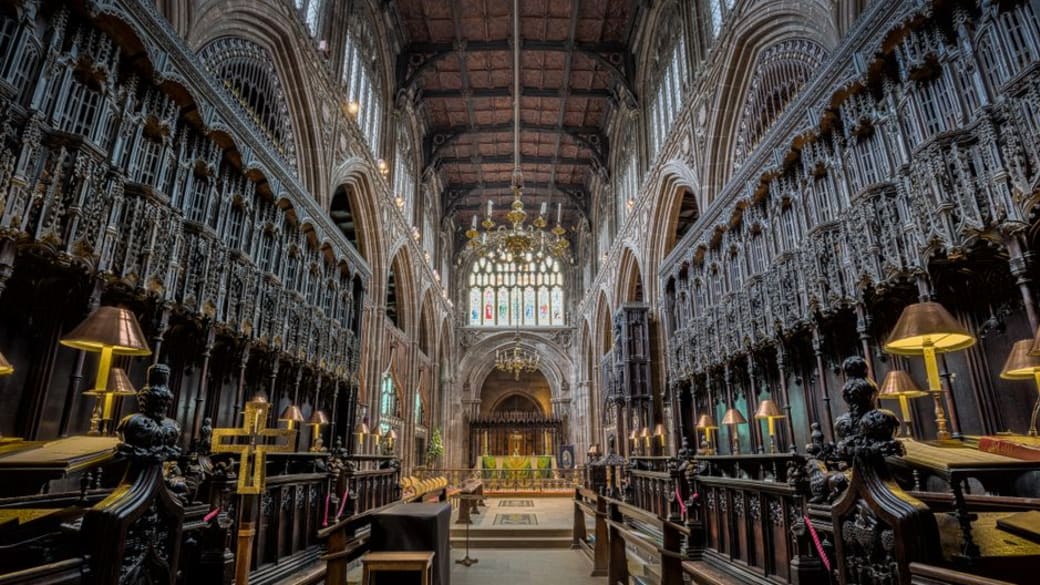
Manchester Cathedral sits at the northern edge of the city center and is one of Manchester’s oldest buildings, with parts of the structure dating to the fifteenth century. It’s worth a short visit even with younger children, particularly for the carved wooden choir stalls, which are detailed enough to hold a child’s attention if you point them out.
It’s a calm counterpoint to the busier museum visits and sits close to the Victoria railway station end of the city center.
Victoria Baths and Pankhurst Centre
Both sit in Chorlton-on-Medlock, about a mile from the city center, and pair well as a single detour from the main museum cluster.
Victoria Baths is a restored Edwardian swimming complex that no longer operates as a working pool, but the building itself is remarkable, three separate pool halls, stained glass windows, and decorative tilework that show what public bathing looked like at the turn of the twentieth century.
The Pankhurst Centre, a short walk away, is housed in the former home of Emmeline Pankhurst. It’s a smaller, quieter experience, but for families with children learning about women’s rights and political history, it adds real depth to a Manchester visit.
John Rylands Library

John Rylands Library on Deansgate is a neo-Gothic building that opened in 1900 and houses one of the world’s most significant collections of rare books and manuscripts. The reading room alone is worth the visit: vaulted ceilings, stained glass, and stone alcoves that feel more like a cathedral than a library.
It’s not a hands-on children’s venue, but older kids who respond to atmosphere and architecture can find it a striking contrast to previous library experiences. It’s also a short walk from several other city center attractions, which makes it easy to include as part of a broader day out.
Manchester Central Library

Manchester Central Library on St Peter’s Square is a Grade II listed circular building that reopened after a major restoration in 2014. It’s a working public library, which means it’s open to everyone.
The building’s rotunda and reading rooms have a grandeur that surprises most first-time visitors. For families, it’s a useful stop in the city center, especially on a wet afternoon, and the children’s library area is well equipped for younger readers.
Chetham’s Library
Chetham’s Library, attached to Chetham’s School of Music near Victoria station, is the oldest public library in the English-speaking world, with parts of the building dating to the fifteenth century. It’s a working library rather than a tourist attraction, but it does offer guided tours that give families access to the medieval reading room and the alcove where Karl Marx and Friedrich Engels are known to have worked.
Indoor Play and Active Family-Friendly Places to Visit
Manchester’s indoor offer is broad enough that a rainy day doesn’t have to mean a compromise. The city has purpose-built play and activity venues alongside some of the most architecturally significant library buildings in England, and together they let your family fill an indoor day with experiences that feel very different from each other.
LEGOLAND Discovery Centre
LEGOLAND Discovery Centre Manchester is an indoor attraction aimed primarily at younger children, roughly aged three to ten. It’s located in the Trafford Centre, about 5 miles west of the city center.
The main draw is Miniland, a LEGO recreation of Manchester’s landmarks built from millions of bricks. Beyond that, the center includes a 4D cinema, a Creative Workshop where kids can build and test their own models, and several themed ride and play areas. One rule to know before you go: adults aren’t admitted without a child. It’s a child-first venue by design, and the layout reflects that.
The Snow Centre Manchester (Formerly Chill Factore)
The Snow Centre Manchester, previously known as Chill Factore, is an indoor ski and snow venue in Trafford, about 5 miles from the city center. The main slope runs 180 meters and stays consistently cool year-round, making it a reliable option in any season.
For families with younger children, the Snow Park area offers snow play without the full commitment or expense of a ski trip. Kids Snow School sessions are available for children aged four and up, making it accessible even for complete beginners.
Play Factore
Right next to the Snow Centre/Chill Factore in Trafford, Play Factore is a separate indoor play attraction built around a multi-level play frame, slides, and a zip wire. It’s worth keeping the two apart in your head since the Snow Centre is the ski slope and Play Factore is the soft play and climbing side. A family with kids of different ages can cover both in the same visit.
Manchester Aquatics Centre
The Manchester Aquatics Centre sits on Booth Street East, close to the university campus and a short walk from The Whitworth. Built for the 2002 Commonwealth Games, it has a competition pool alongside a smaller leisure pool, so younger kids and confident swimmers both get the space they need. It’s a useful stop on a wet day when the family wants to burn off energy in the water rather than tour another museum.
Planet Ice Altrincham
Planet Ice Altrincham is an ice rink about eight miles southwest of the city centre and home to the Manchester Storm ice hockey team. Public skating sessions run alongside the hockey fixtures, so check what’s on before you go if you’re planning to skate rather than watch a match. For kids who’ve never skated before, it’s a straightforward way to try it without travelling far from the rest of your Manchester stops.
The Cube at Urban Playground
Inside the Manchester Arndale in the city center, Urban Playground houses The Cube, a tech-assisted crazy golf course built around themed rounds like a fortune teller and a horse derby. It suits older kids and teenagers better than toddlers, giving the city’s teen crowd something to do that isn’t a museum. Being right in the Arndale means it slots easily into a city center day alongside the Football Museum and Chetham’s Library.
Head Over Heels
Head Over Heels is an indoor soft play center in Chorlton, about three miles south of the city center. It’s built around multiple play frames and slides, with a separate sensory area for babies and toddlers, so it works whether you’re traveling with a newborn or a primary age climber. A cafe on site means parents aren’t stuck standing at the edge of a ball pit for the whole visit.
It’s also a handy weather backup if you’re already planning a day around Chorlton Water Park, since both sit in the same part of Chorlton.
Manchester’s Parks and Green Spaces
Manchester’s outdoor offer is broader than many visitors expect. The city has large parks, nature reserves, and one of England’s most unusual aviation heritage sites, all within a reasonable distance of the center.
Heaton Park
Heaton Park is one of Europe’s largest municipal parks, covering around 650 acres in the north of the city. The terrain ranges from formal gardens and a boating lake to open grassland and woodland paths, which means it suits families with children of very different ages and energy levels.
The park includes a farm area. As with any captive animal attraction, each family will want to assess that for themselves. The open space alone makes it worth the trip, and the park is accessible by Metrolink from the city center.
Chorlton Water Park
Chorlton Water Park is a local nature reserve built around a former gravel pit lake in the Chorlton area, about 4 miles south of the city center. It’s a quieter, more low-key outdoor option than Heaton Park, with walking and cycling paths around the water and good birdwatching along the reed beds.
It suits families who want outdoor time without a structured activity. The paths are manageable for younger children on foot or on bikes, and the setting feels natural rather than manicured.
Mayfield Park
Mayfield Park is a reclaimed industrial site next to Piccadilly station, built around a restored stretch of the River Medlock that had been covered over for decades. The playground includes a rope bridge, multiple slides, and a section that runs directly over the river, with open lawn nearby for a picnic once the kids have had their turn. Being a short walk from the station makes it an easy stop for families arriving by train who want green space without heading out of the center.
Alexandra Park
Alexandra Park is a large Victorian park in Whalley Range, a couple of miles south of the city center, built around a lake with resident ducks, geese, and swans. There are two separate playgrounds, one for younger children and one for older kids, plus wide paths that suit a pram as easily as a scooter. It’s a calmer outdoor stop than the city center attractions, useful for slowing the pace down between busier days.
Fog Lane Park
Fog Lane Park is a large park in Didsbury, about four miles south of the city center, with a duck pond and a playground big enough that younger and older kids can both find something to do. An on-site cafe makes it a proper stop rather than a quick pass-through, and the open lawns leave room for a ball game once the playground’s done its job.
Distinctive Family-Friendly Outdoor Activities
Castlefield Roman Heritage
Castlefield sits at the southwestern edge of the city center and marks the site of the Roman fort of Mamucium, from which Manchester takes its name. The reconstructed fort gateway and the visible earthworks give children a tangible connection to the city’s origins, and the canal basin setting adds a second layer of industrial history.
It’s a walkable area with open public space, and the mix of Roman archaeology and Victorian canal infrastructure makes it one of the city’s more historically rich outdoor spots.
Manchester Airport Runway Visitor Park
Manchester Airport Runway Visitor Park is on Sunbank Lane near Altrincham, roughly 10 miles south of the city center. It’s one of the few places in England where you can watch aircraft take off and land from raised viewing platforms positioned directly beside active runways, which makes it a different kind of day out for aviation-interested kids.
The park also has a collection of retired aircraft on permanent display, including Concorde G-BOAC, a DC-10, a Nimrod, and a Trident. These aren’t replicas. They’re real, previously active aircraft, and for some, being up close or even inside tends to stick in the memory long after you’ve left.
Football Stadium Tours Including Old Trafford
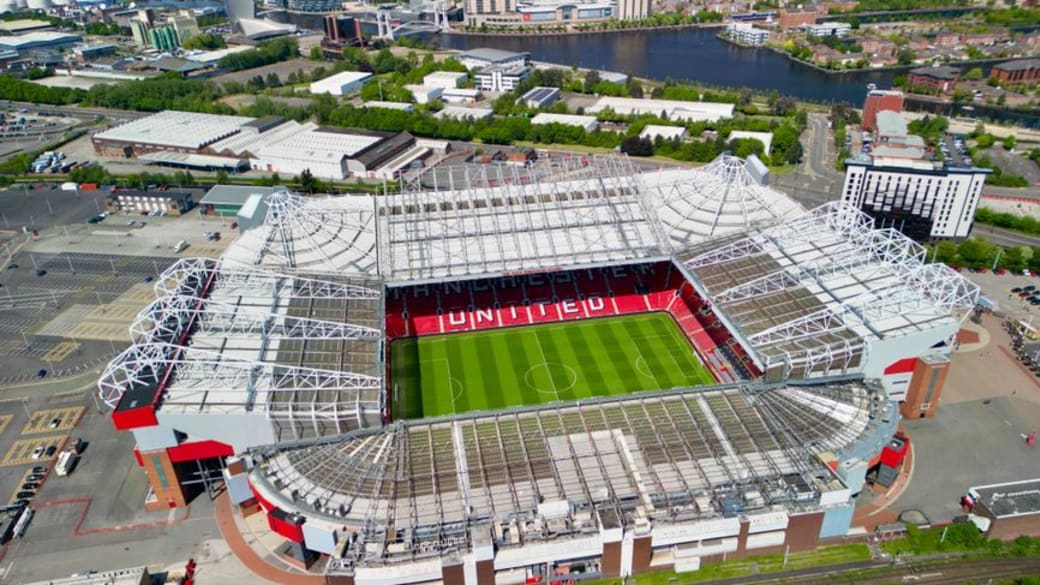
Both of Manchester’s major clubs offer stadium tours, and for football-obsessed kids, walking the tunnel at United’s Old Trafford or City’s Etihad Stadium feels different from a museum visit. Tours typically cover the dressing rooms, the pitch-side areas, and club history displays.
Check tour availability in advance, as match days and events affect access. Old Trafford is in Trafford, roughly 3 miles from the city center, while the Etihad Stadium is about 2 miles east of the center.
Neighborhoods Kids Will Enjoy Exploring
Some of the best time your family will spend in Manchester won’t be inside a ticketed venue. The city’s neighborhoods each have a distinct character, and moving through them at street level, stopping when something catches your eye, is a legitimate way to spend a day.
Northern Quarter and Its Street Art
The Northern Quarter is Manchester’s creative and independent quarter, running northeast from Piccadilly Gardens. The streets are dense with murals, paste-ups, and commissioned street art that changes regularly, which makes it worth walking even if you’ve been before.
It’s a neighborhood that suits older children and teenagers more than toddlers, partly because of the pace and partly because the interest is visual and cultural rather than activity-based. The architecture is Victorian warehouse stock, and the mix of independent record shops, bookshops, and studios gives it a texture that’s hard to find in more polished city districts.
Spinningfields and Chinatown
Spinningfields is Manchester’s financial and legal district, built largely in the 2000s, with a clean, open feel that contrasts sharply with the Northern Quarter. The public squares and riverside walkways along the River Irwell make it a comfortable place to move through with younger children.
Chinatown is a short walk east, centered on Faulkner Street and marked by the ceremonial arch at its entrance. It’s one of the largest Chinese communities in England outside London, and the area around the arch and the surrounding streets gives your family a clear sense of that cultural presence. The range of food options suits most budgets.
Salford Quays and MediaCity
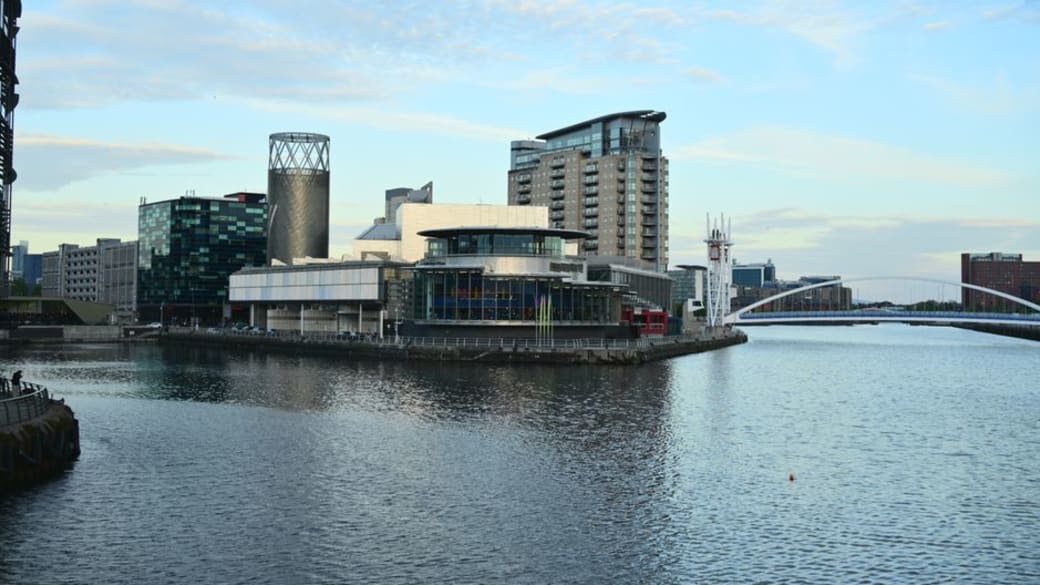
Salford Quays sits across the Manchester Ship Canal from the city center, about 3 miles west, and the waterfront area around MediaCityUK is one of the more interesting places to spend a few hours with kids. The BBC and ITV both have production facilities here, and the public spaces around the quays are well-designed for walking and cycling.
Directly across the Manchester Ship Canal footbridge from MediaCityUK is the Imperial War Museum North, designed by architect Daniel Libeskind. The building itself is part of the experience: its fractured, angular form is meant to represent a globe shattered by conflict, and it reads that way even before you go inside. The museum covers twentieth and twenty-first-century conflict from a human perspective, and it does so with real care.
For self-guided visits, the museum is generally better suited to children aged seven and up. Some exhibits, including Holocaust artifacts and wartime photography, can be distressing for younger children, and it’s worth being aware of that before you go in. That’s not a reason to avoid it; it’s a reason to go in prepared.
Ancoats
Ancoats is Manchester’s oldest industrial suburb, now one of its most interesting neighborhoods to walk through. The Victorian mill buildings have been converted into apartments, studios, and independent businesses, and the streetscape retains enough of its original character to feel different from the city center.
It’s about a 10-minute walk east from Piccadilly Gardens. There’s no single attraction to anchor a visit, but for families who enjoy urban exploration and architecture, the canal-side streets and the scale of the converted mills make it worth the detour.
Frequently Asked Questions About Manchester
When’s a Good Time to Visit Manchester?
Manchester is a year-round city, and its indoor offerings are strong enough that wet weather doesn’t significantly limit what your family can do. Summer brings longer days and better conditions for outdoor parks and the airport visitor park, while school holidays mean some venues are busier than usual.
How to Get Around Manchester With Kids?
The Metrolink tram network is the most practical option for families, connecting the city center to Salford Quays, Heaton Park, the Trafford Centre, and the airport. Buses cover areas the tram doesn’t reach, and the city center itself is compact enough that many attractions are walkable from each other.
Is Manchester a Safe, Family-Friendly Place to Visit?
Manchester is a large city, and like any large city, it has areas that are more and less comfortable to move through. The city center, Salford Quays, and the main tourist neighborhoods are well-used and generally feel safe for families during the day and into the evening. Standard city awareness applies, particularly around busy transport hubs.
Final Thoughts
Manchester suits families who are willing to move between different kinds of experiences rather than sticking to one type of venue. The publicly funded museums keep costs manageable, the Metrolink makes the city easy to cover without a car, and the neighborhoods add a layer of street-level interest that no ticketed attraction can replicate. Whether you’re planning a weekend or a longer stay, Manchester offers enough variety in kids’ activities to fill the time without repeating yourself. Start with the Science and Industry Museum and the Runway Visitor Park if you’re working out where to anchor your days, and let the neighborhoods fill in the gaps.
DISCLAIMER: This article/page contains affiliate links. This means that if you make a purchase after clicking on one of these links, then we may receive a small commission – at no extra cost to you. See our full disclosure and Privacy Policy for more information. Thank you for supporting our site and helping make it the inspiring location-independent, long-term family travel and worldschooling blog it aims to be!